
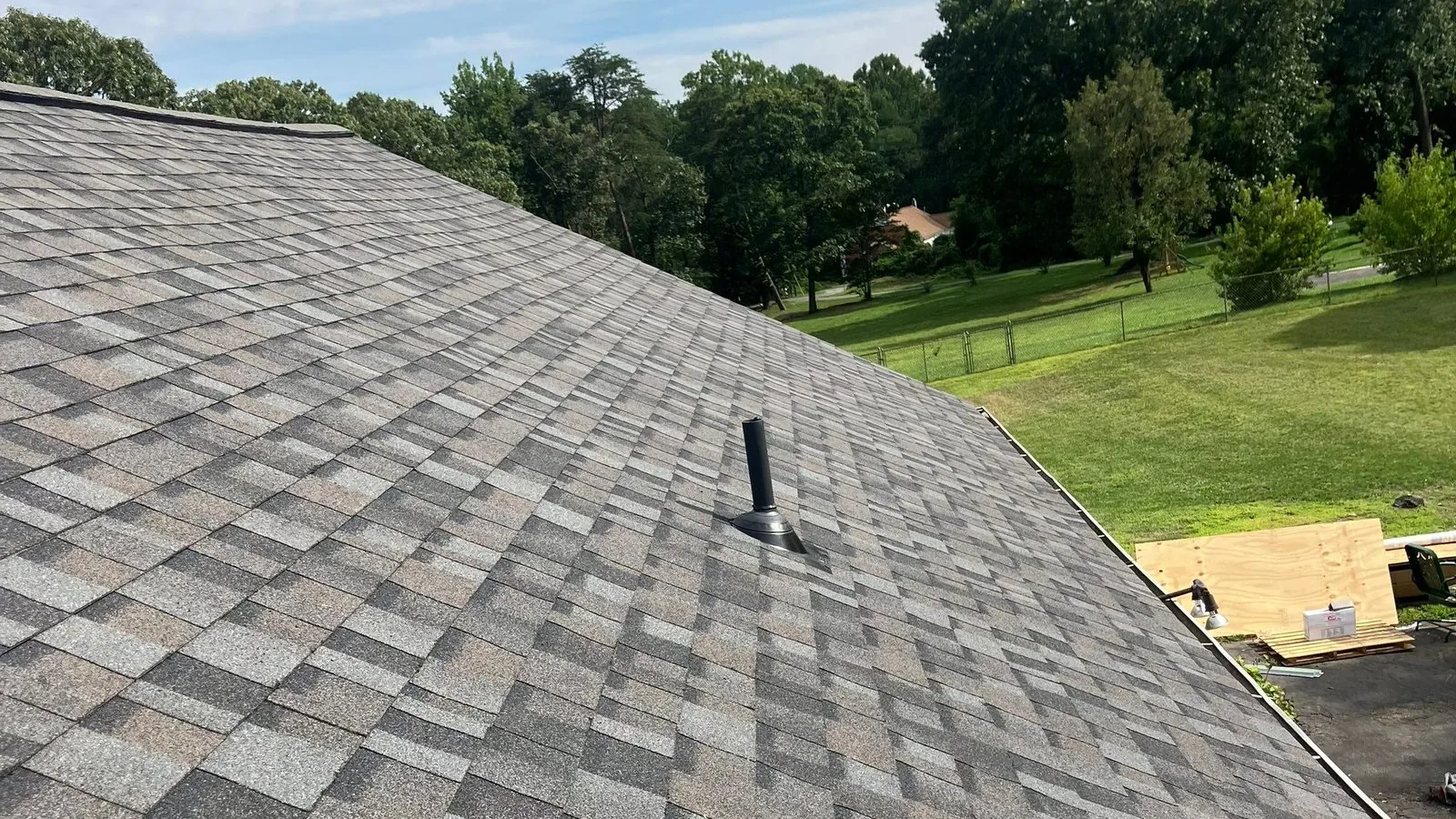
Diakite Roofing & Restoration inspects and replaces roofs in Columbia, MD and across Howard County. Granule loss, cupped tabs and soft decking, what each one means on a Central Maryland roof, and when age stops being the useful question. Written from what a HAAG certified inspector finds walking these roofs, with the chalked test squares and the photographs that go with them. The inspection that answers it is free.
Age Is a Reason to Look, Not a Verdict
A roof does not fail on a birthday. Two houses on the same Columbia street, roofed the same summer by the same crew, can be years apart in what they need, because one faces south over an open lawn and the other sits under oak shade. Sun, slope and ventilation do most of the work.
The number people quote is usually the shingle's warranty, which describes a manufacturing defect rather than a roof that has been rained on for twenty years. Attic heat is what closes the gap between the two. A roof with blocked soffit vents bakes from underneath through August and arrives early.
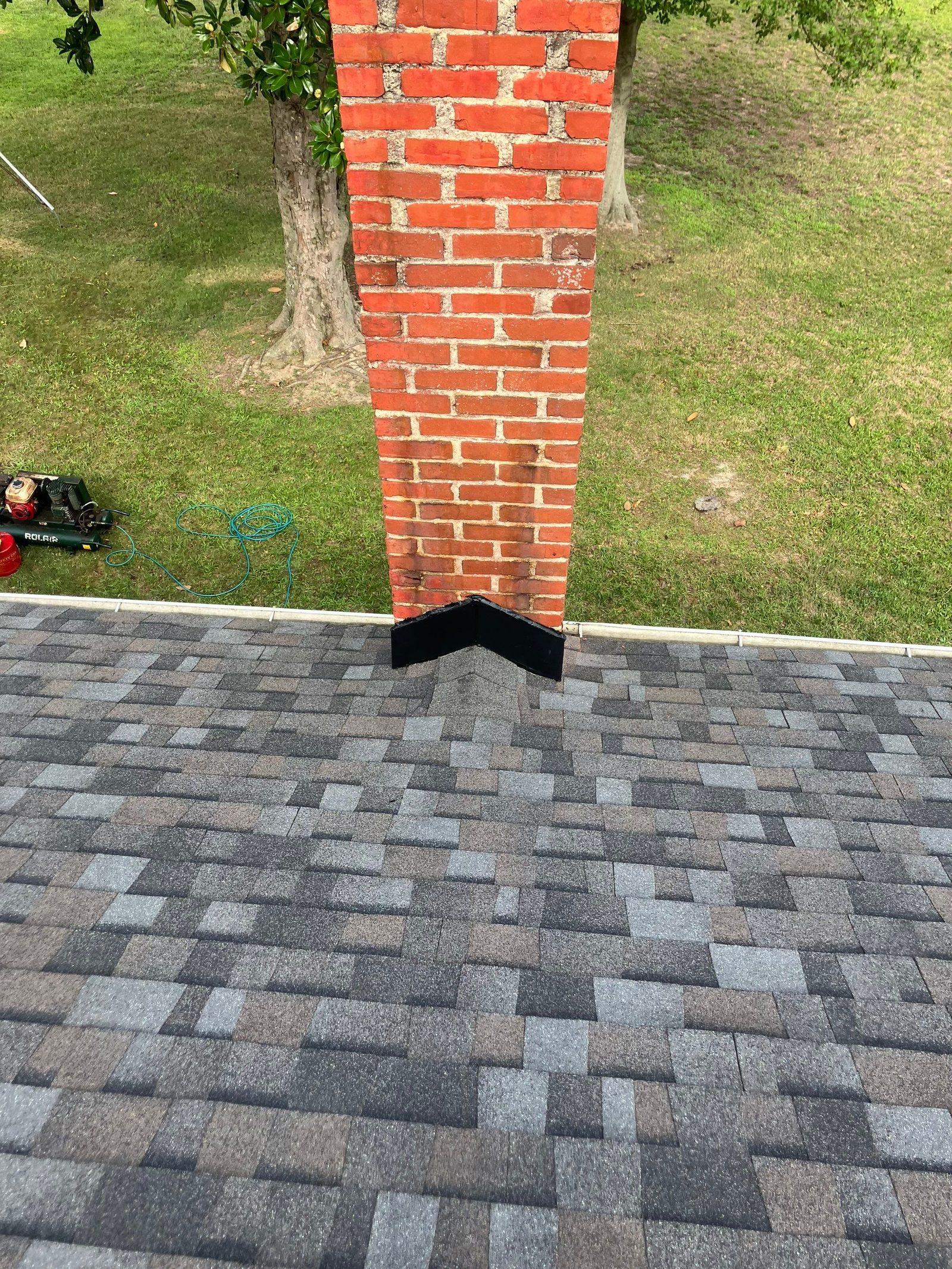
What a Finished Roof Looks Like Here
Granules in the gutter are the first honest signal. They are the shingle's sunscreen, and once enough are gone the mat underneath takes UV directly.
A handful after a new install is normal shedding. A gutter running black with them every spring is not.
Lift a tab and look at the mat. A shingle that has gone brittle cracks instead of bending, and the crack runs with the fibers.
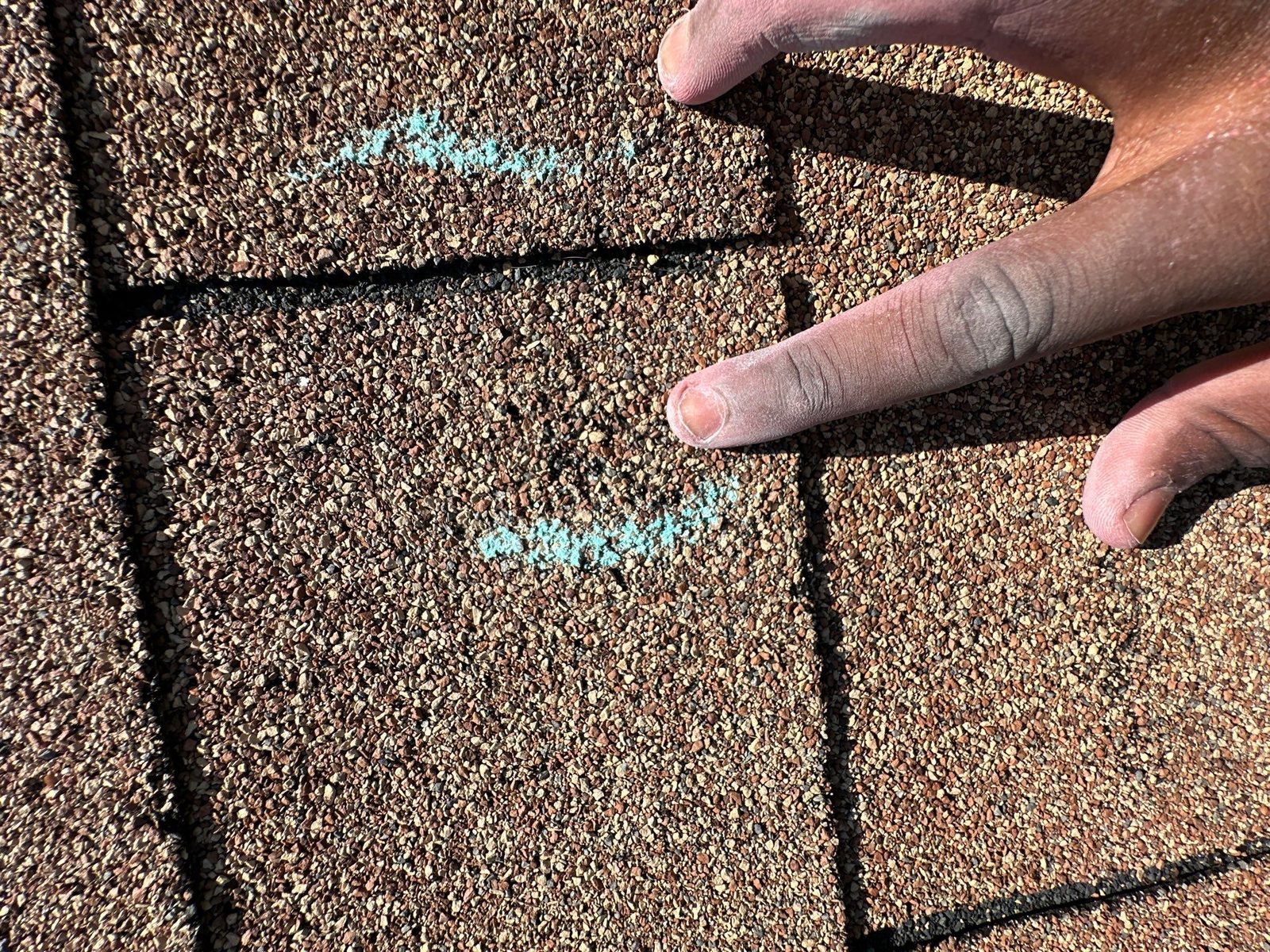
On a 3-tab that has cupped, the corners lift away from the deck and wind gets underneath. That is how a slope goes from worn to open in one April gust.
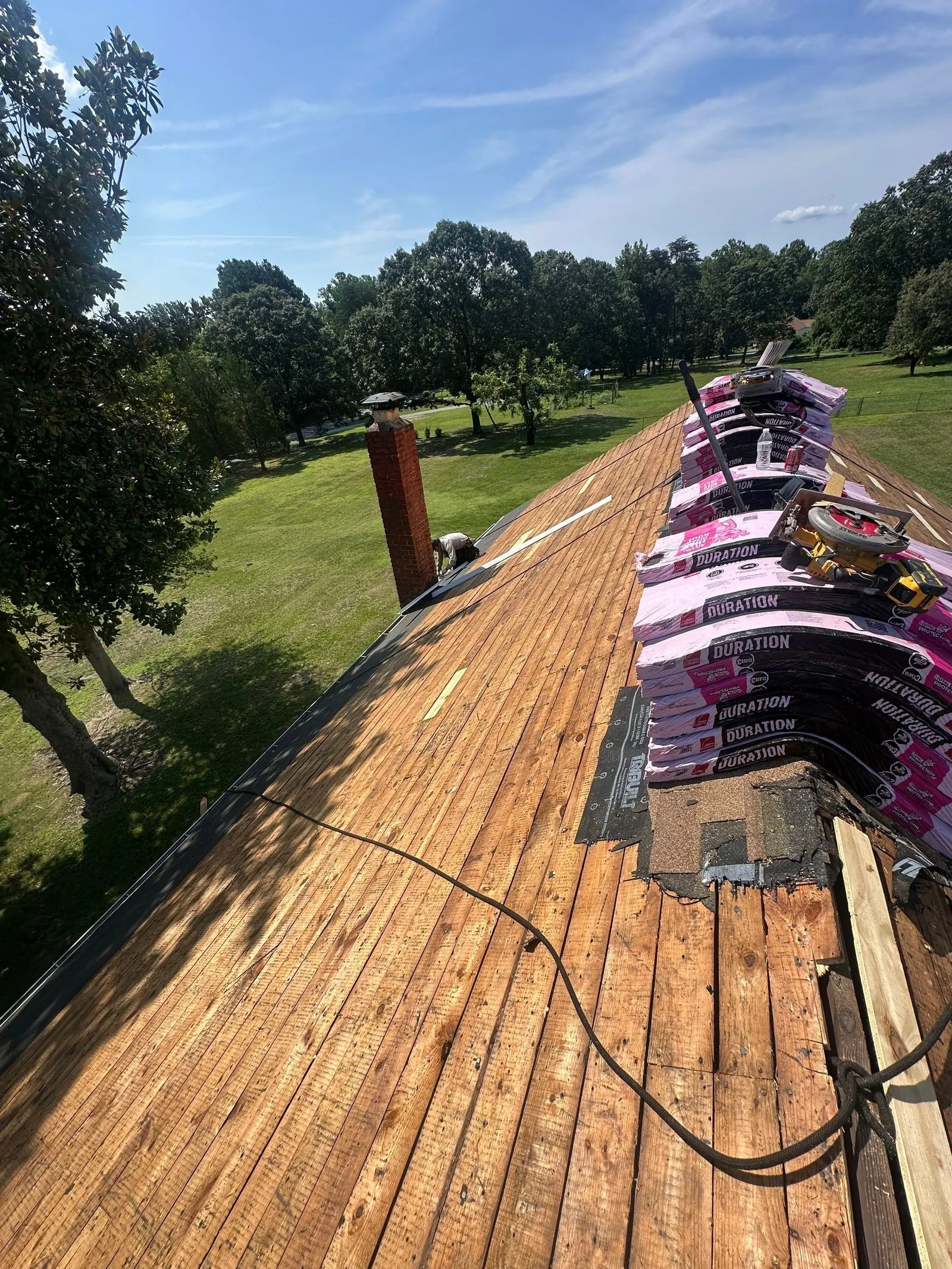
Then there is the deck, which decides more of the scope than the shingles do. Rotted plywood around a chimney, a soft spot under an old skylight curb, board sheathing that has taken years of small leaks nobody saw. None of it shows from the driveway.
Repair, or Replace
The useful test is whether the failure is local or general. One failed flashing detail on a roof with good years left is a repair. Granule loss across every slope with cupping on the south face is a system at the end of its life, and patching it buys a season.
Worth saying before an inspection rather than after: patch-and-hope repairs are not what this company does. The trade is replacement and restoration. If your roof has years left, you get told that, and there is nothing to sign at the end of it.
What the Inspection Settles
Lassana Diakite is a HAAG certified inspector and does the walk himself. Every slope that is safe to walk gets walked, and the field shingles, granule condition, ridge and hip caps, valleys and the flashing at every chimney, dormer and wall get photographed where they are.
You see those photographs. If the shingles have years left, that is the finding. The inspection is free, nothing is attached to it, and the point is to replace a guess with a set of pictures.
Great experience with this company. They were professional, punctual, and thorough during the roof inspection. They explained their findings clearly and provided honest recommendations without pressure. I appreciate their attention to detail and would highly recommend their services.Ervens Jean-Pierre · Google review
Columbia's Roofs Arrived in Waves
Columbia was founded on June 21, 1967, and its villages opened in a documented sequence: Wilde Lake in 1967, Harper's Choice in 1968, Oakland Mills in 1969, Long Reach in 1971, Owen Brown in 1972, Town Center and Hickory Ridge in 1974, Kings Contrivance in 1977, Dorsey's Search in 1980, and River Hill in 1990. That timeline is not trivia here. It is a map of roof generations.
A street built as one village section got its first roofs the same year, and every replacement cycle since has tended to move through the block the way the original construction did. When you see two or three tear-offs on one street in a single season, that is usually a wave arriving, not a coincidence.
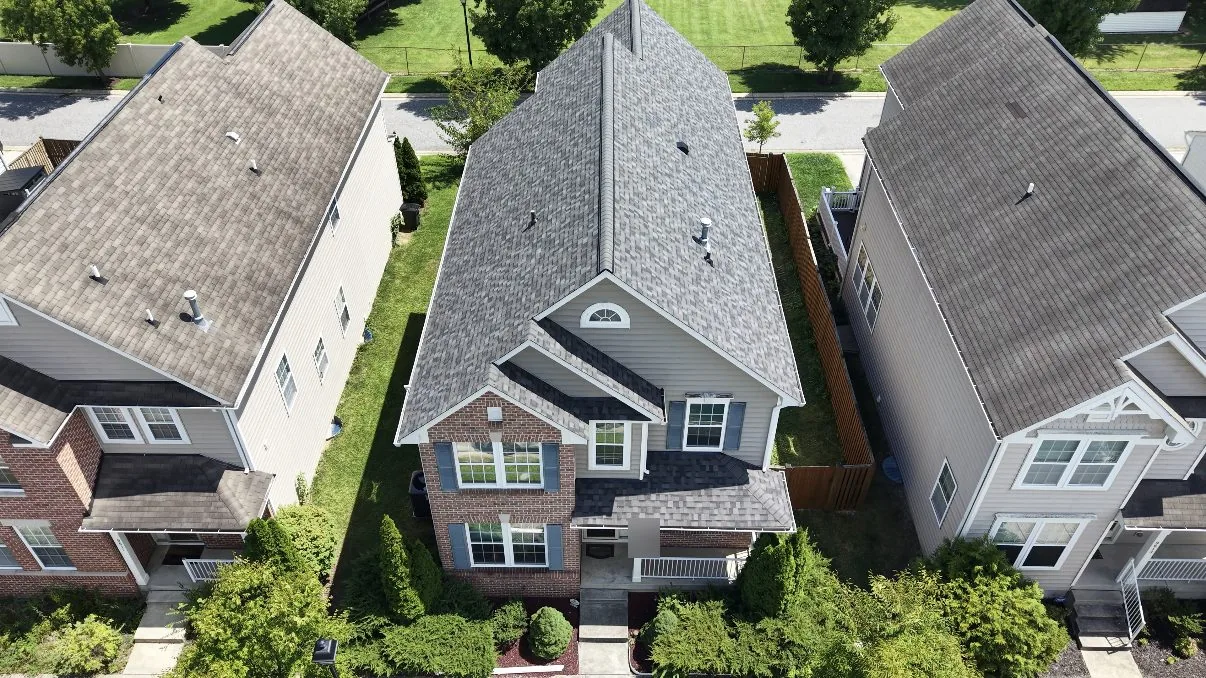
A house from Wilde Lake or Harper's Choice has seen more than one roof come and go by now, and the deck under the current shingles has lived through every one of those cycles. What that deck looks like is a question the driveway cannot answer.
The practical use of the wave is timing your look, not your replacement. If the houses around you were built and roofed on your schedule and they have started coming due, that is a good year to have your own slopes walked and photographed. The pictures either buy you real peace for a few more seasons or catch the problem while it is still a planned job instead of an emergency one.
The Storms This Area Actually Gets
Central Maryland's weather earns its place in this guide. On June 29, 2012, a derecho crossed the region with gusts reported as high as 87 mph focused on the Baltimore-Washington corridor, and roughly 1.6 million Maryland customers lost power, with uprooted trees damaging residential roofs across the area. In September 2003, Hurricane Isabel put about 1.24 million customers in the dark across Maryland and Washington and left around 945 million dollars in damage between them.
Events like those are the loud ones. The quiet damage matters just as much on a roof: a thunderstorm gust that lifts tabs along a rake, hail that bruises a slope without opening it.
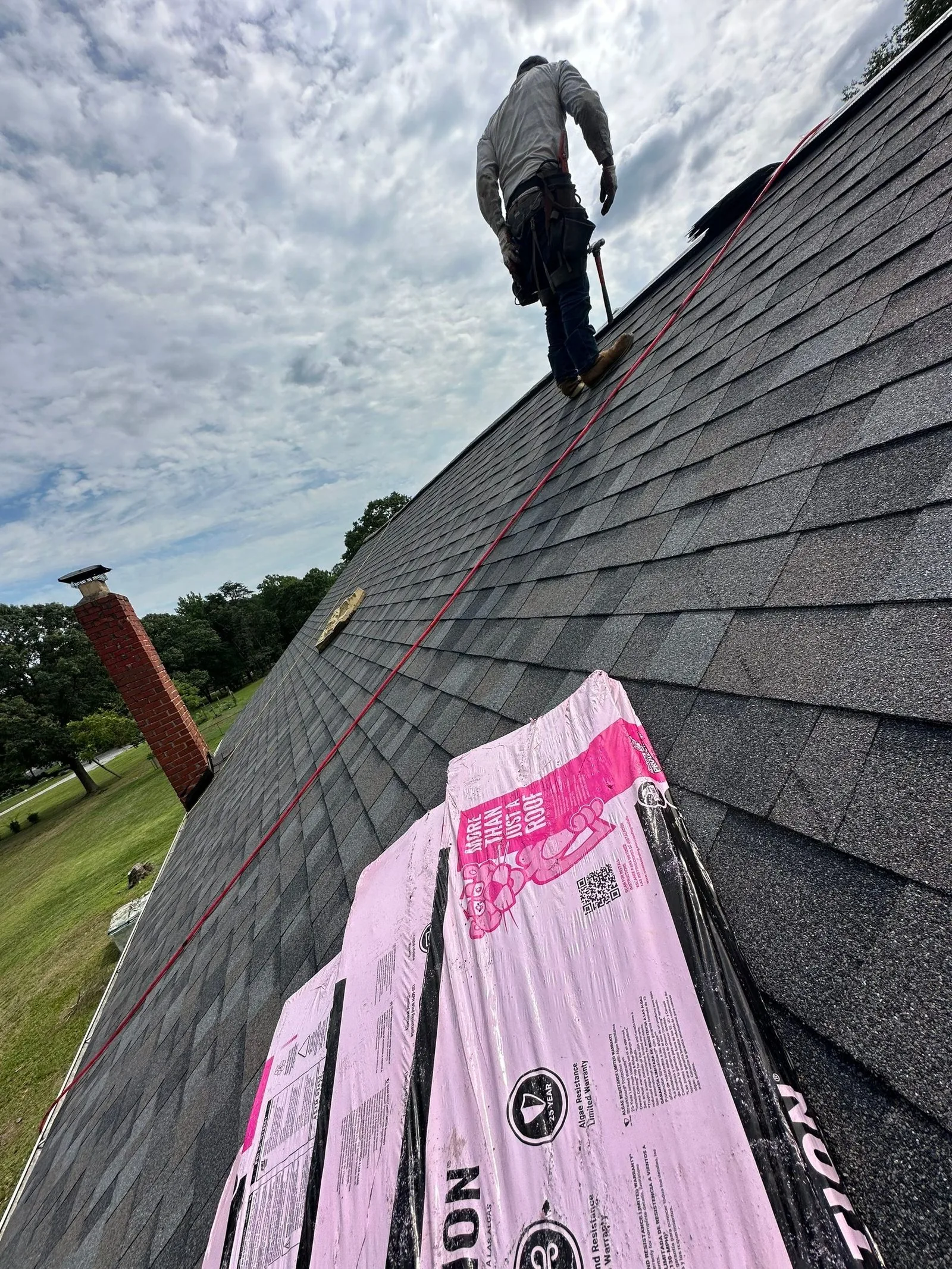
Wind works the edges, where the seal strip lets go first, and hail bruising can sit invisible for a year or two while the shingle bakes and sheds granules around each strike. A roof can come out of a season like that looking fine from the street and still be a different roof than it was in May.
That is why the after-storm look is slope by slope with chalk and a camera. Whether the answer is a claim, a planned replacement or nothing at all depends on what the pictures show, and on nothing else.
Typical Service Life by Roof Type
| Roof type | Typical service life | What shortens it here |
|---|---|---|
| 3-tab asphalt shingle | 15 to 20 years | Cupping, then wind lift on exposed slopes |
| Architectural asphalt shingle | 25 to 30 years | Attic heat where soffit venting is blocked |
| A second layer over an old roof | Shorter than the first | Trapped heat, deck irregularity, a lower wind rating |
| Low-slope or flat membrane | 15 to 25 years | Ponding that never reaches a drain |
General trade ranges, not a promise about your roof. Central Maryland pushes most roofs toward the low end of each band: the same roof freezes and thaws all winter, then bakes through August. Condition beats age every time, which is what the inspection is for.
What to Do With Any of This
The answer to nearly every question above is a set of photographs of your own roof rather than a general range. That is what the free roof inspection produces, and it is where a roof replacement conversation starts if it turns out you need one. Read the roof replacement page for how that job actually runs.
We work Mon-Sat 8:00 AM - 5:00 PM across Howard, Anne Arundel, Montgomery, Prince George's, Carroll, Frederick & Baltimore Counties.
Frequently Asked Questions
How long does a roof last in Howard County, Maryland?
Most architectural asphalt roofs run 25 to 30 years and 3-tab closer to 15 to 20. Central Maryland pushes both toward the low end, because the same roof freezes and thaws all winter and then bakes through August. Ventilation and slope exposure move the number more than the brand on the wrapper.
What are the signs I need a new roof in Columbia, MD?
Granules collecting in the gutters every spring, tabs that crack instead of bending when lifted, cupped corners on the south-facing slope, and any soft spot underfoot on the deck. One of those is a repair conversation. Several across different slopes usually is not.
Does a roof have to leak before it needs replacing?
No, and waiting for one costs more. By the time water shows on a ceiling it has usually been in the decking and insulation a while. A roof can be finished as a system while the inside of the house still looks fine.
Should I repair or replace a roof in Central Maryland?
It depends whether the failure is local or general. A single flashing detail on an otherwise sound roof is a repair. Granule loss and cupping across multiple slopes is a roof at the end of its service life, and patching that buys a season.
When is the best time of year to replace a roof in Maryland?
Spring, once freeze-thaw season is behind you and before the summer storm run gets going. A roof that is already open does not wait for a season, which is what emergency tarping is for.
My neighbors in Columbia are all reroofing. Does that mean mine is due?
It means your street's roof generation is coming due, which is worth a look rather than a panic. Columbia's villages were built in waves from 1967 on, so roofs on one street tend to age together. Condition still decides: the free inspection tells you whether your roof is part of the wave or has years left in it.