
Roofing in Baltimore, MD
5.0 on GoogleRoofing Contractor in Baltimore, MD
Diakite Roofing & Restoration is a roofing contractor in Baltimore, MD, replacing roofs and siding across Baltimore City, from the harbor rowhouses to the northern garden districts. The Google rating is 5.0, and the first step in Baltimore is the same free inspection.
- Free Roof Inspections
- 5.0 Stars on Google
Free & No Obligation
Book your free Baltimore roof inspection
The Short Answer
Diakite Roofing & Restoration replaces roofs and siding across Baltimore, from the flat and low-slope roofs on the brick rowhouses to the steep pitched and slate roofs in Roland Park, Guilford and Homeland. We inspect free either way, install Owens Corning shingles where a slope calls for them, and finish most residential replacements inside one day.
- Do you work on flat and low-slope rowhouse roofs in Baltimore, or only pitched roofs? Both.
- Can you handle the steep pitched and slate roofs in Roland Park, Guilford and Homeland? Yes.
- Does the storm weather off the Baltimore harbor actually damage a roof? Yes, and it works on the seams first.
- Who issues a roofing permit in Baltimore City? The city's Department of Housing and Community Development.
What We Do in Baltimore
Roofing, siding and storm restoration in Baltimore
A membrane rowhouse roof behind a parapet and a slate garden-district roof are different jobs.
More about Diakite Roofing & Restoration in Baltimore
In Plain Terms
- Diakite Roofing & Restoration is a roofing contractor based in Columbia, MD.
- Diakite Roofing & Restoration provides roof replacement, siding and storm restoration for property owners in Baltimore City, MD.
- Diakite Roofing & Restoration opens every job with a free no-obligation roof inspection.
- Diakite Roofing & Restoration installs Owens Corning architectural shingles on the roofs it replaces.
Featured Google Reviews
What homeowners say
Lassana came out and looked at my roof after all the crazy storms going around and told me that my roof doesn’t have any damages yet whereas all the over roofers told me I need a new roof. My
Roof was only 10 year old
Great experience! The contractor did an excellent job installing my siding. They were professional, efficient, and paid close attention to detail. The finished work looks amazing, and I would definitely recommend them to anyone looking for quality siding work.
Great experience with this company. They were professional, punctual, and thorough during the roof inspection. They explained their findings clearly and provided honest recommendations without pressure. I appreciate their attention to detail and would highly recommend their services.
Great job on my roof in Glen Burnie. Handled all the insurance claim. Very good crew. No complaints the roof look great, great clean up as well. I highly recommend.
This whole experience was stress- free and professional. Lass explained everything clearly step by step and made sure I was comfortable with the whole process. The work was neat and punctual and all the materials were cleaned up quickly. The roof looks great! I highly recommend their services, you will be very pleased with the results.
Excellent service from start to finish! The team is professional, responsive, and delivers high-quality work. I highly recommend them!
This company was very professional and very prompt. They explained everything to me in detail, along with pictures and videos. They got the job done quickly and thoroughly, and at a reasonable price. I would highly recommend Diakite Roofing and Restoration, and I would use them again if I needed to in the future.
Local Expertise
Roofing and restoration for Baltimore homes
Baltimore is really two roofing towns at once. Block after block of brick rowhouses carry flat or low-slope roofs finished in membrane and coating, set behind parapet walls with party-wall flashing and internal drains, while the garden districts like Roland Park, Guilford and Homeland hold large pitched roofs, some of them slate.
Two roofing cities: flat rowhouse roofs and pitched slate
Baltimore's signature is the brick rowhouse, and most rows have no pitched roof at all. Behind the parapet along the front wall the roof runs flat or nearly flat, finished in built-up layers, modified bitumen, or a rubber or single-ply membrane, often with a reflective coating over the top.
Water does not shed off an eave here. It runs to internal drains or into a box gutter built into the structure, and it leaves through the building.
On a rowhouse there is no ridge to work from and no simple field of shingles.
The work is at the parapet caps, the party-wall flashing shared with the house next door, the drain bowls and the seams, because that is where a flat roof leaks. We tell a rowhouse owner honestly whether the roof wants a full membrane replacement or still has coating life left, and we scope the flashing and drainage as part of it, not as an afterthought.
More about roofing in Baltimore
Formstone and brick fronts hide a lot of roofing history. Many older rows have been patched, coated and layered over decades, so before anything new goes down we get onto the roof and check what is actually under the top layer and whether the decking and the parapet are sound.
The free inspection matters more on a flat roof than almost anywhere else, because the surface can look fine from the sidewalk while the seams and the drains are the problem.
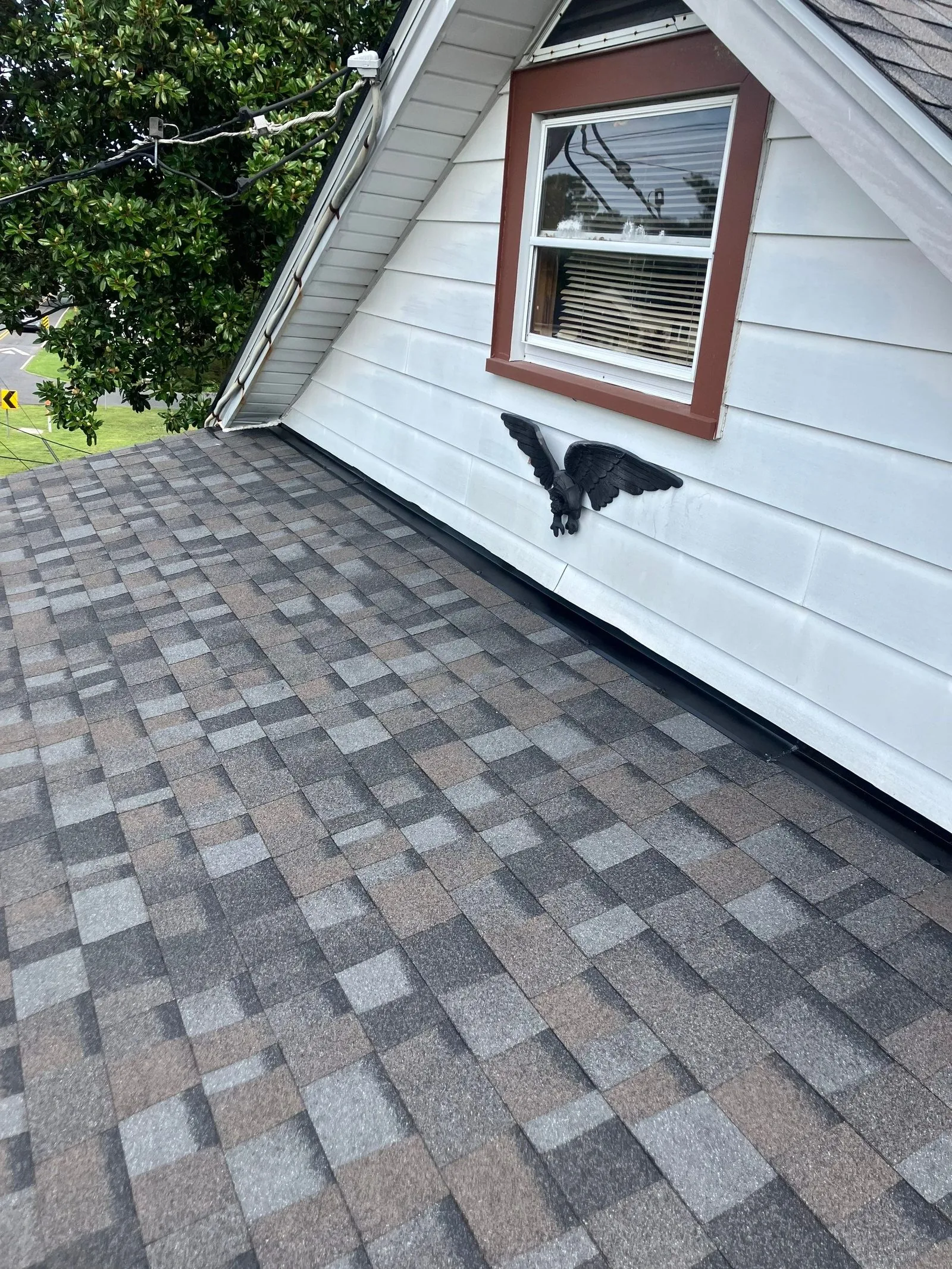
Great job on my roof in Glen Burnie. Handled all the insurance claim. Very good crew. No complaints the roof look great, great clean up as well. I highly recommend.
The garden districts, where the roofs turn steep again
North and northwest of downtown the pattern flips. Roland Park, Guilford and Homeland were laid out as large-lot neighborhoods, and their houses carry steep pitched roofs with dormers, valleys and gables. Slate is still on a good number of them, and even where asphalt has replaced it the rooflines are complicated enough that valley and flashing detail is most of the labor.
These are the Baltimore roofs where Owens Corning architectural shingles, a properly detailed valley and clean step flashing at every wall and chimney do the work. We inspect the decking once the old roof is off, because a house that has worn slate or heavy shingle for decades can hide boards that need attention before a new roof goes on.
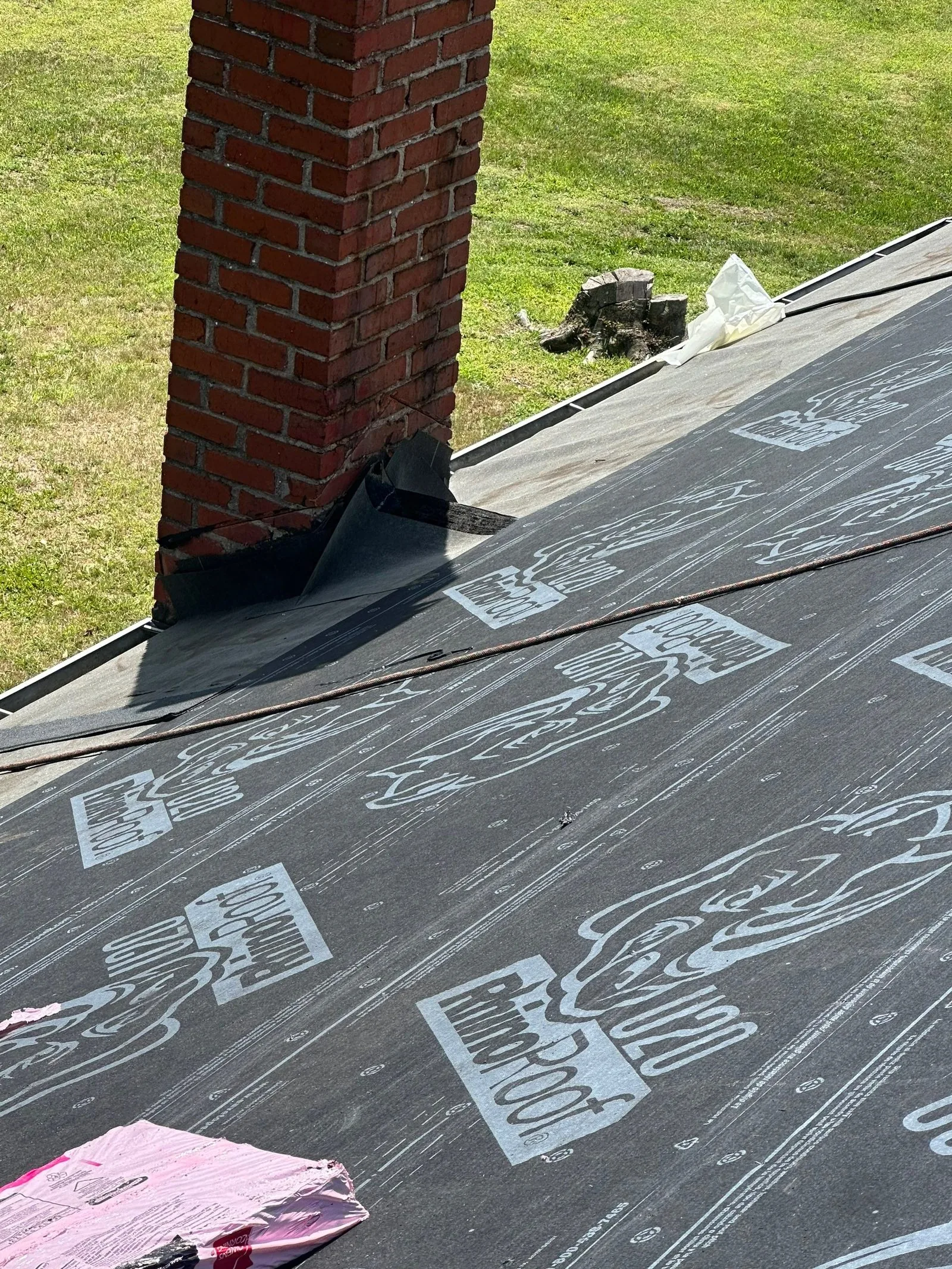
Storm claims and wall work off the harbor
Baltimore weather arrives off the water. Coastal storms and the occasional nor'easter push in off the Chesapeake, summer brings humid heat and hard thunderstorms, and winter brings freeze-thaw that works a flat roof harder than a pitched one.
The 1991-2020 normals for NOAA's Maryland Science Center station downtown count about 43 days a year at 90 degrees or hotter. A flat roof membrane expands in that afternoon heat and contracts overnight, so the seams, flashing laps and parapet joints do the moving.
On a membrane roof the damage worth arguing about is at the seams, the flashing laps and the parapet joints; on a pitched roof it is lifted tabs and bruised, granule-stripped shingle. The loss gets written in Xactimate, the platform the carriers use.
We will meet the adjuster at the house and walk it with them. We will not promise you an approval, because that is the carrier's call and not ours.
Siding in Baltimore runs the same split. Many rows are faced in brick or Formstone rather than lap siding, so the exterior work is often trim, cornice and flashing, while the detached houses take fiber cement or insulated vinyl.
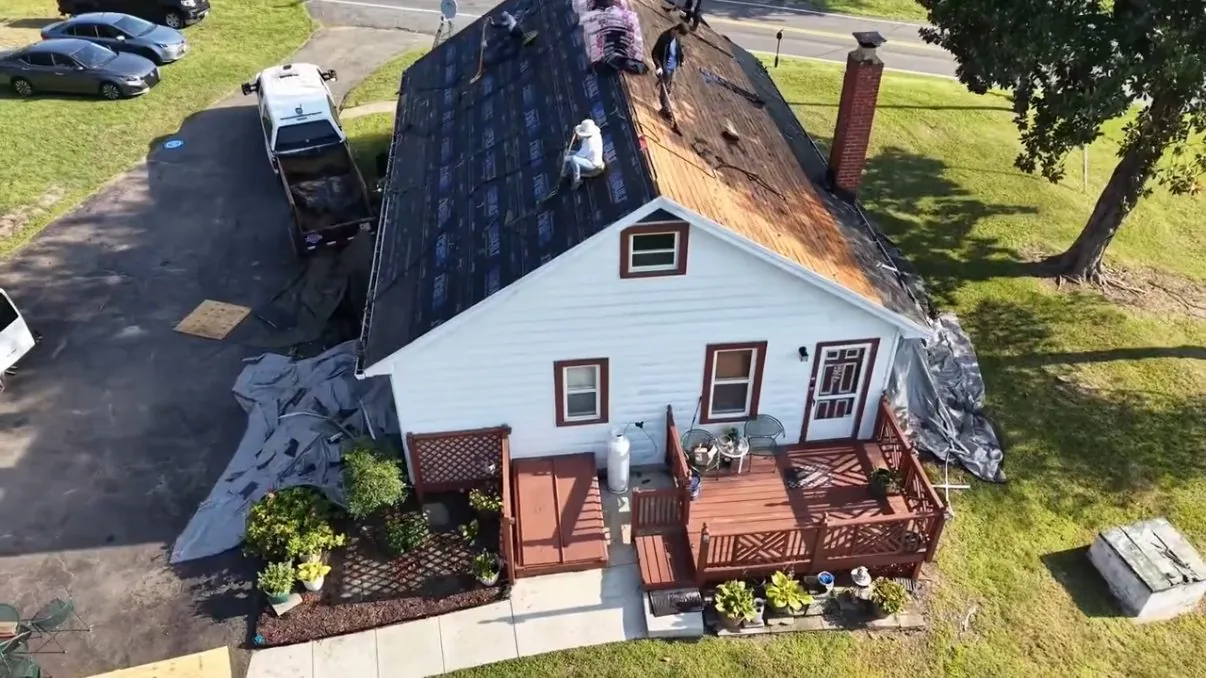
On a detached house the choice between fiber cement and insulated vinyl depends on the wall and its exposure, and we check the walls on the same visit as the roof.
Free no-obligation quote, working Monday through Saturday 8am to 5pm at (667) 200-6656.
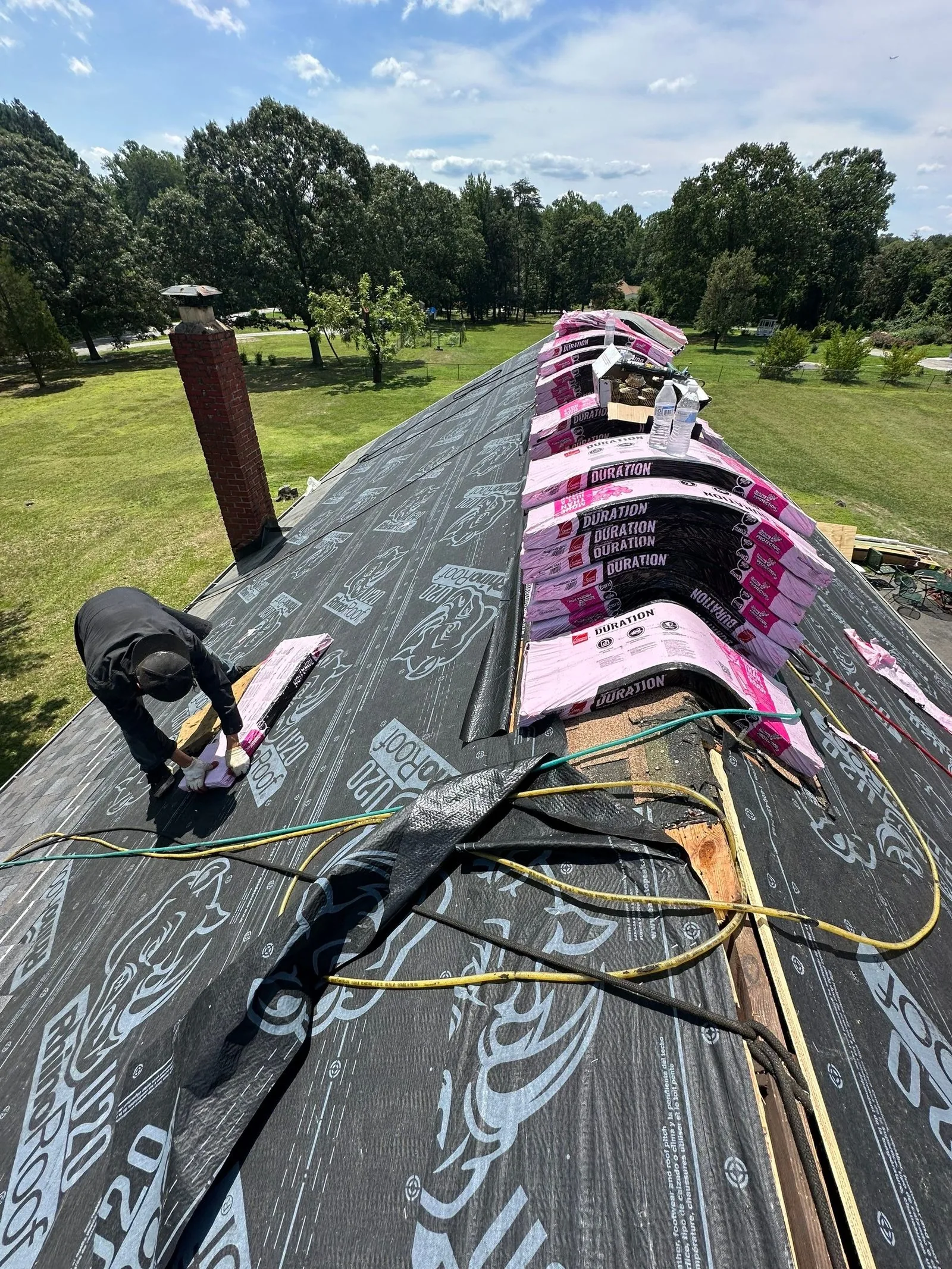
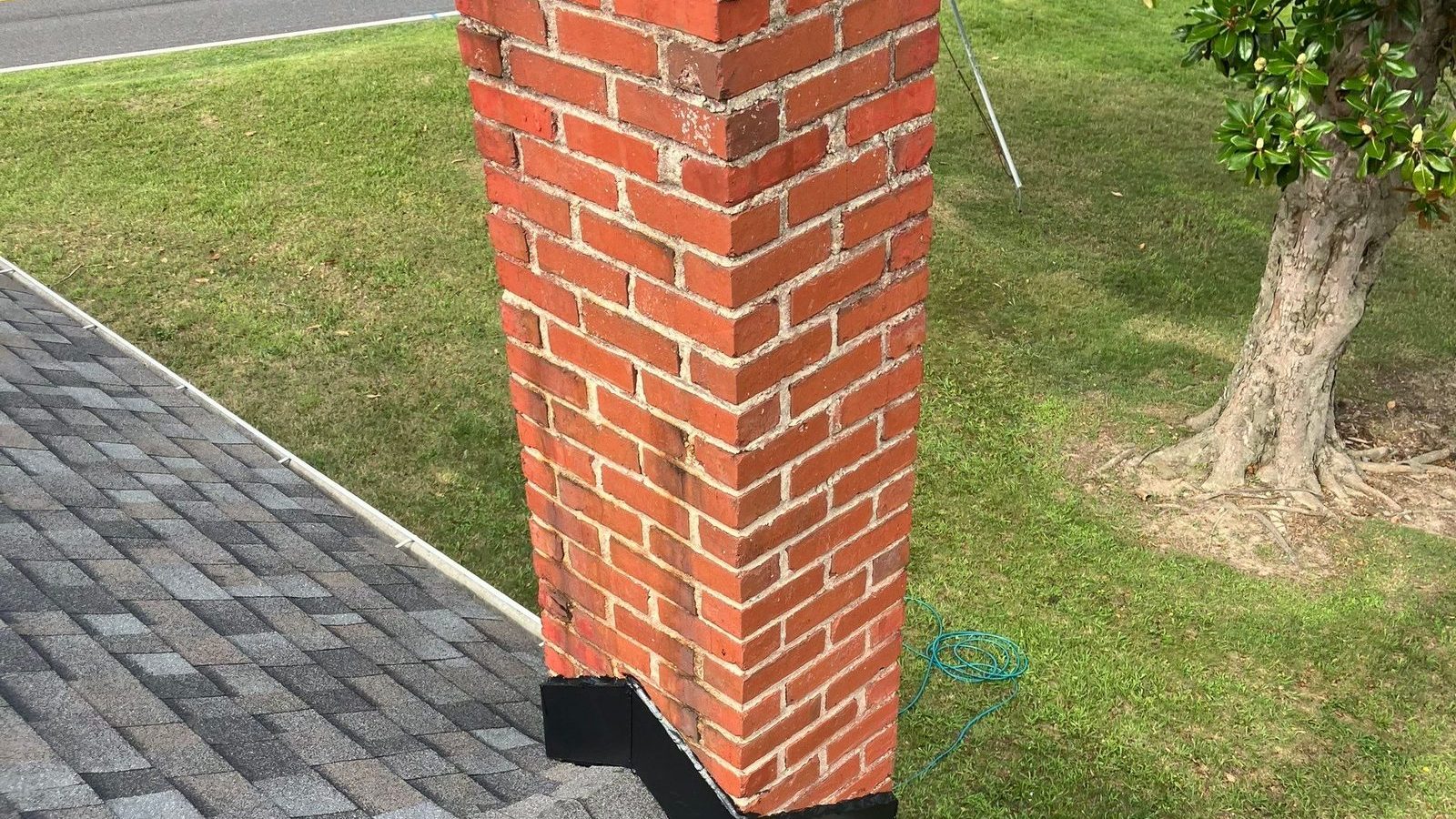
Roofing Baltimore homeowners call
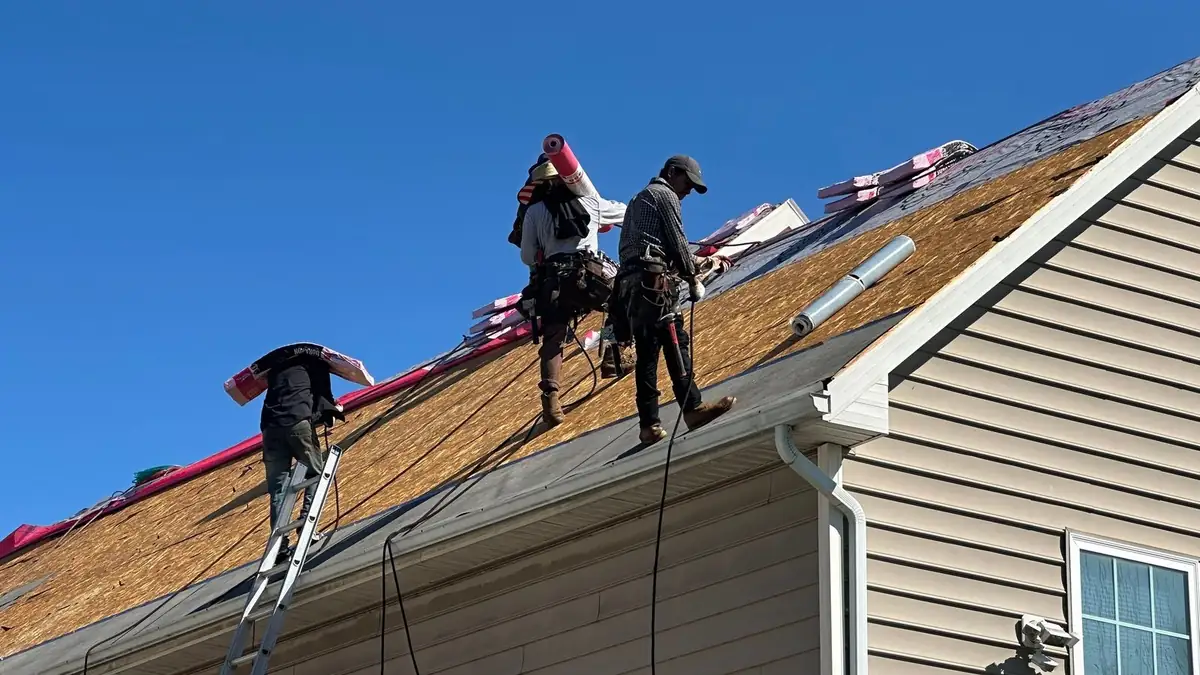
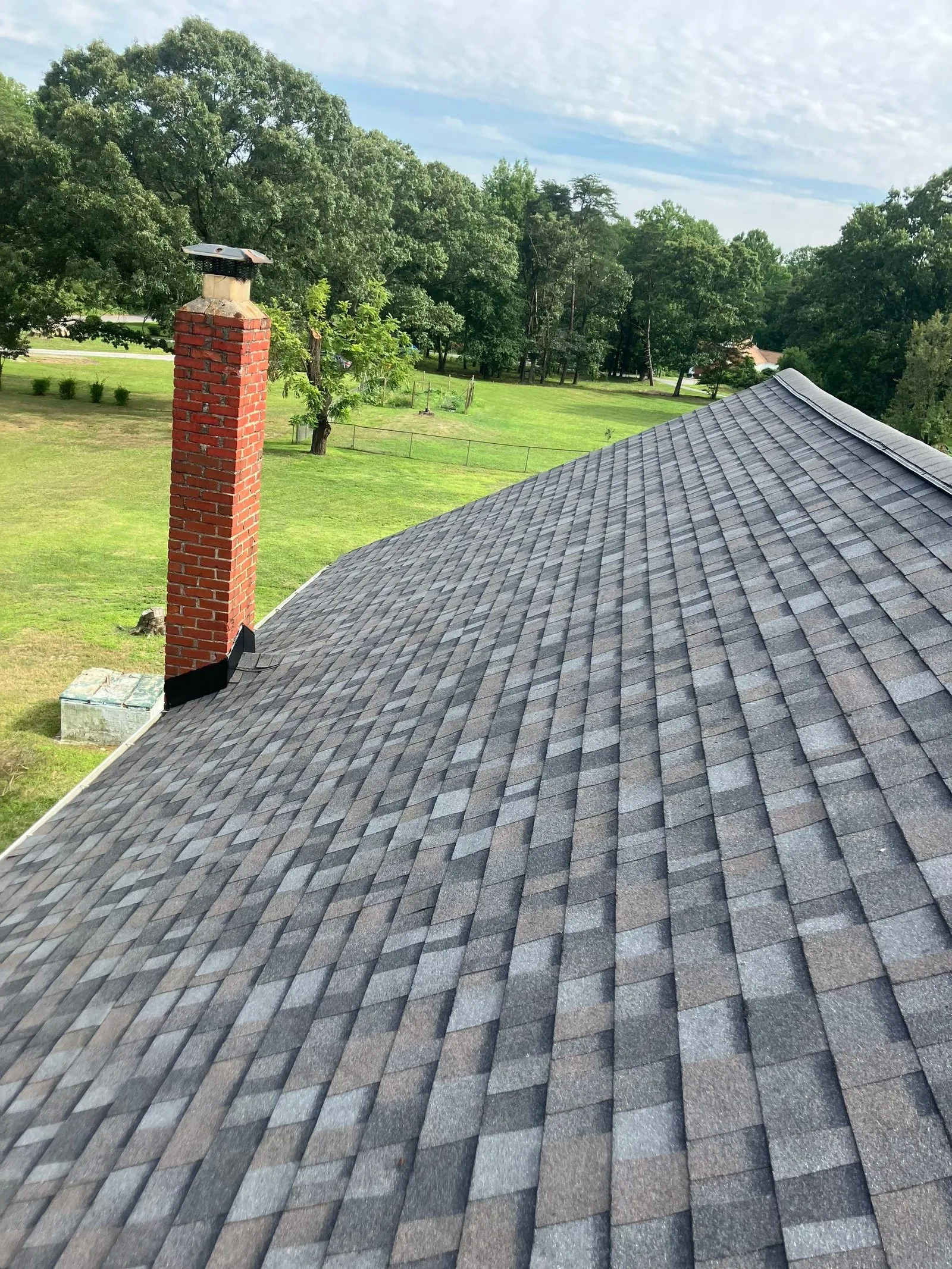
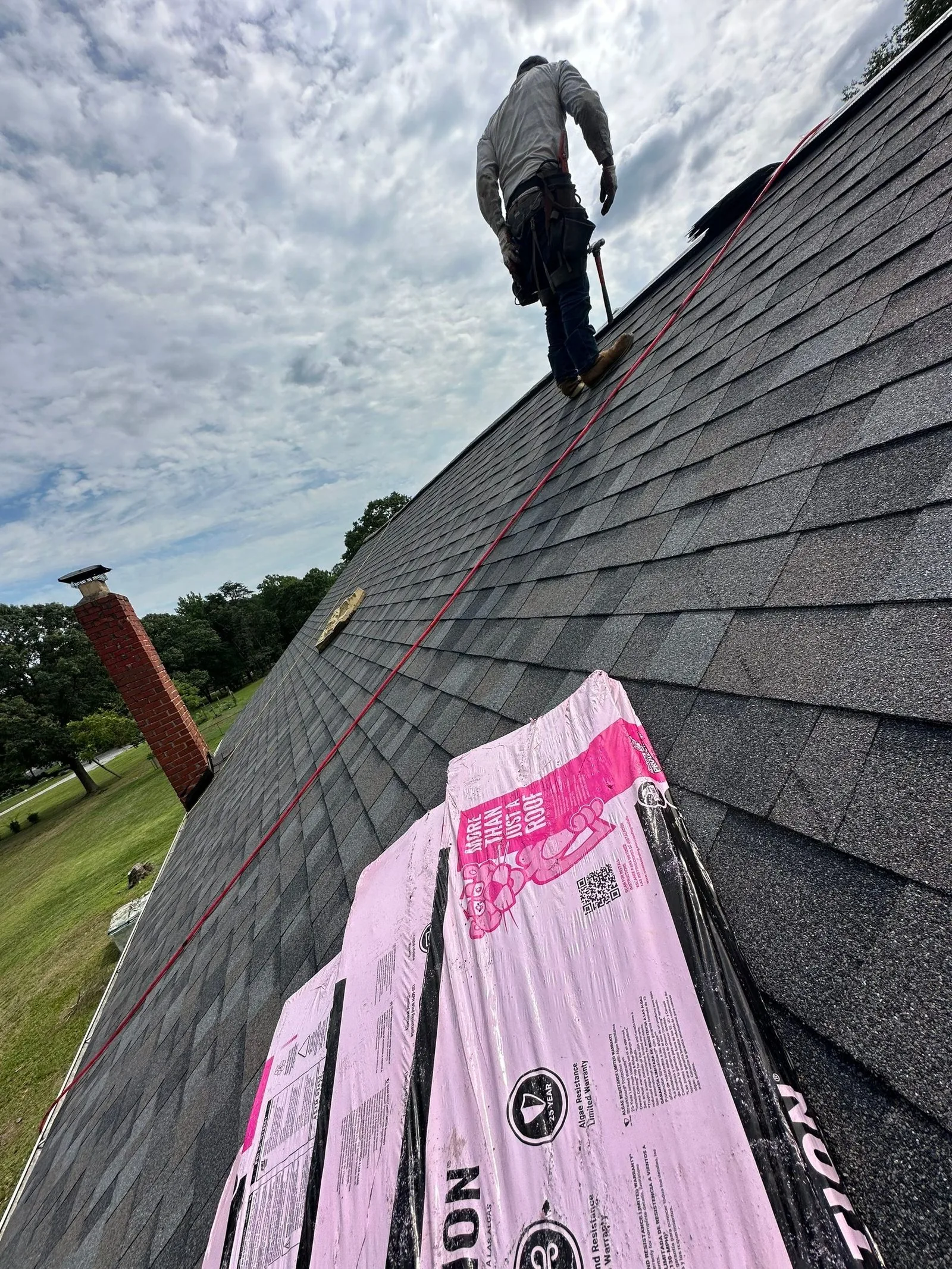
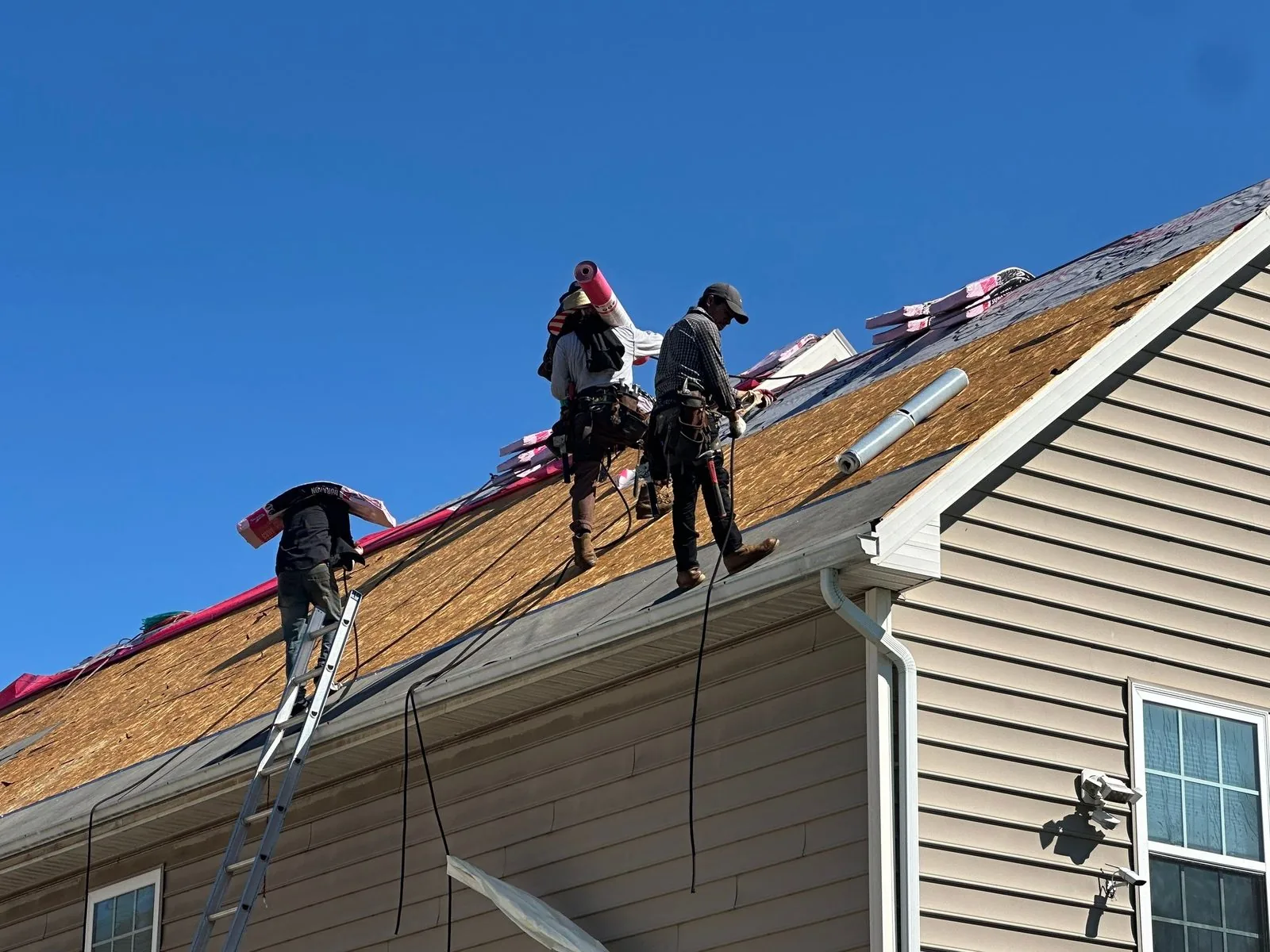
Real jobs photographed on site. Free no-obligation inspection first, every time.
Local Conditions
Common roofing challenges in Baltimore, MD
- Flat and low-slope roofs on the brick rowhouses, built up in membrane, rubber or coating behind parapet walls, with party-wall flashing, box gutters and internal drains rather than a simple shingled slope
- Steep pitched roofs, some of them slate, on the larger older homes in neighborhoods like Roland Park, Guilford and Homeland, where valley, dormer and flashing detail is most of the work
- Older housing stock behind Formstone and brick fronts, where decades of patched roofing and layered coatings sit over decking that has to be checked before anything new goes down
- Coastal storms and nor'easters coming off the Chesapeake and the Patapsco, with humid summers and freeze-thaw winters that open flat-roof seams, flashing laps and parapet joints
- Internal roof drains and box gutters that carry water through the building instead of off an eave, so a blockage or a failed seam shows up inside the house rather than at the ground
Our Work
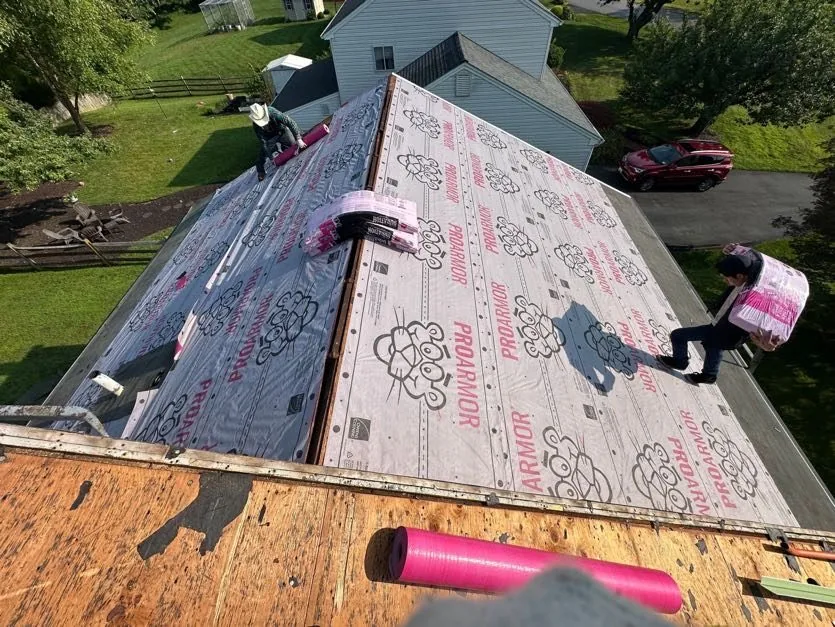
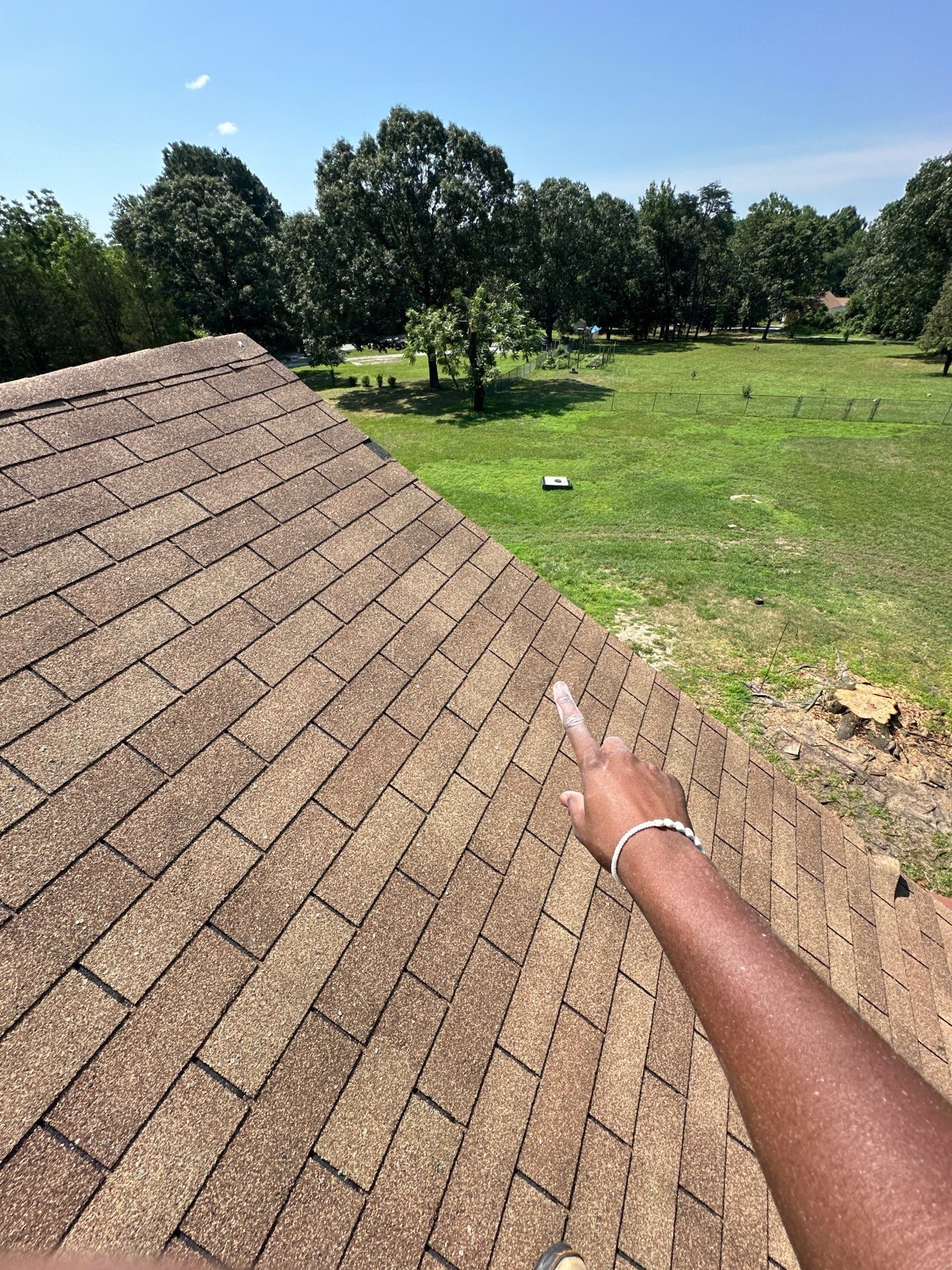
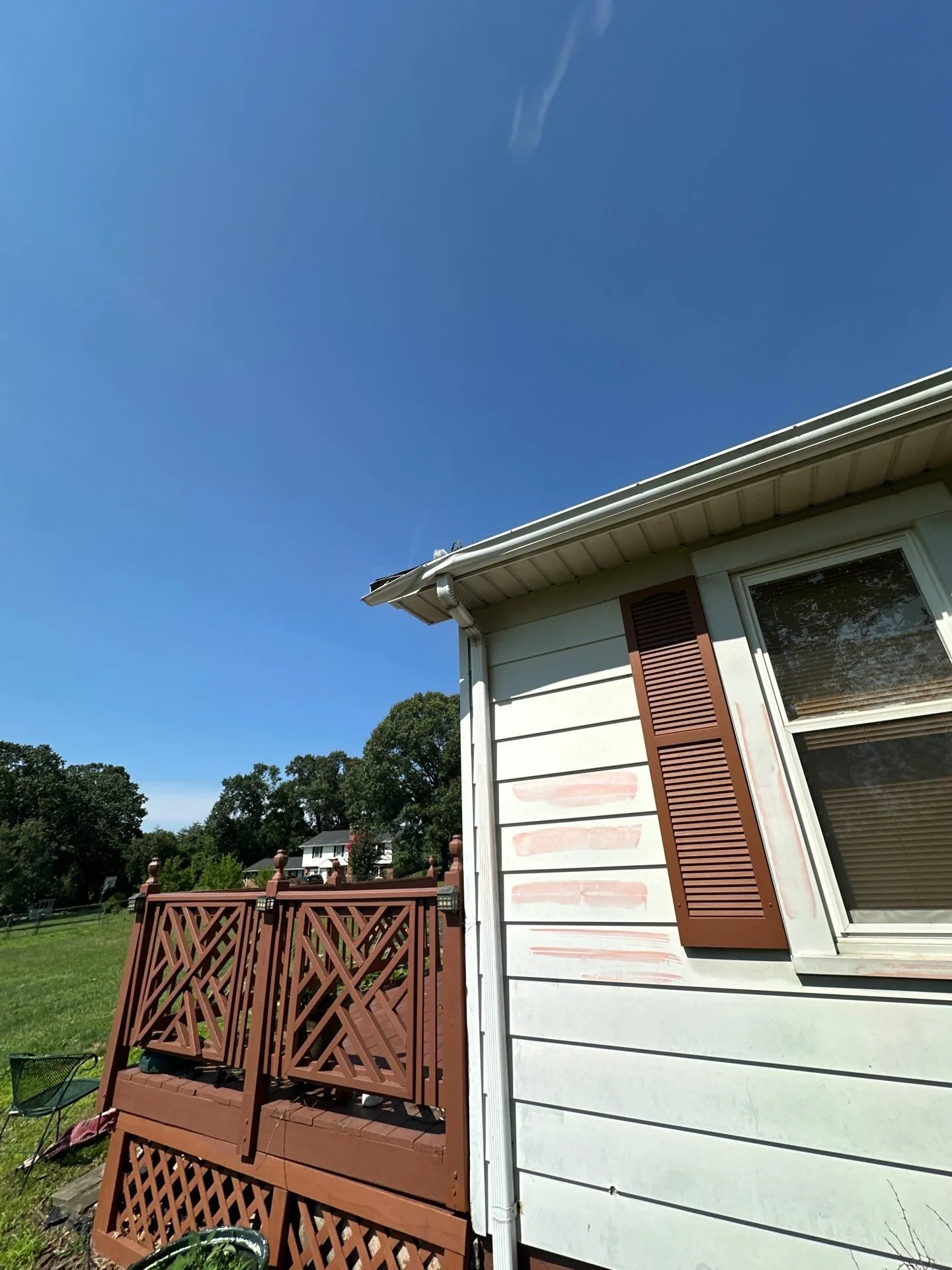
Recent jobs near Baltimore
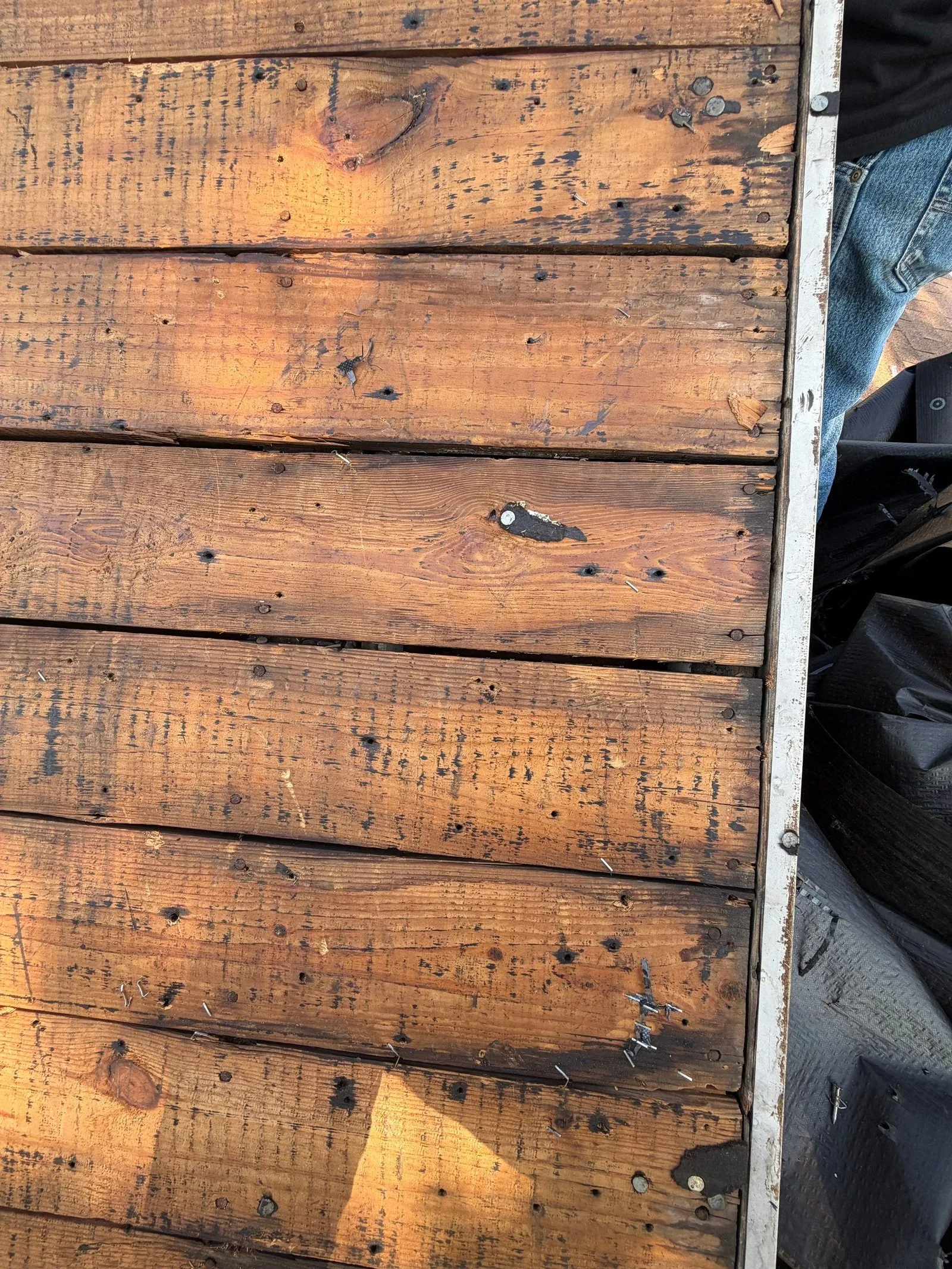
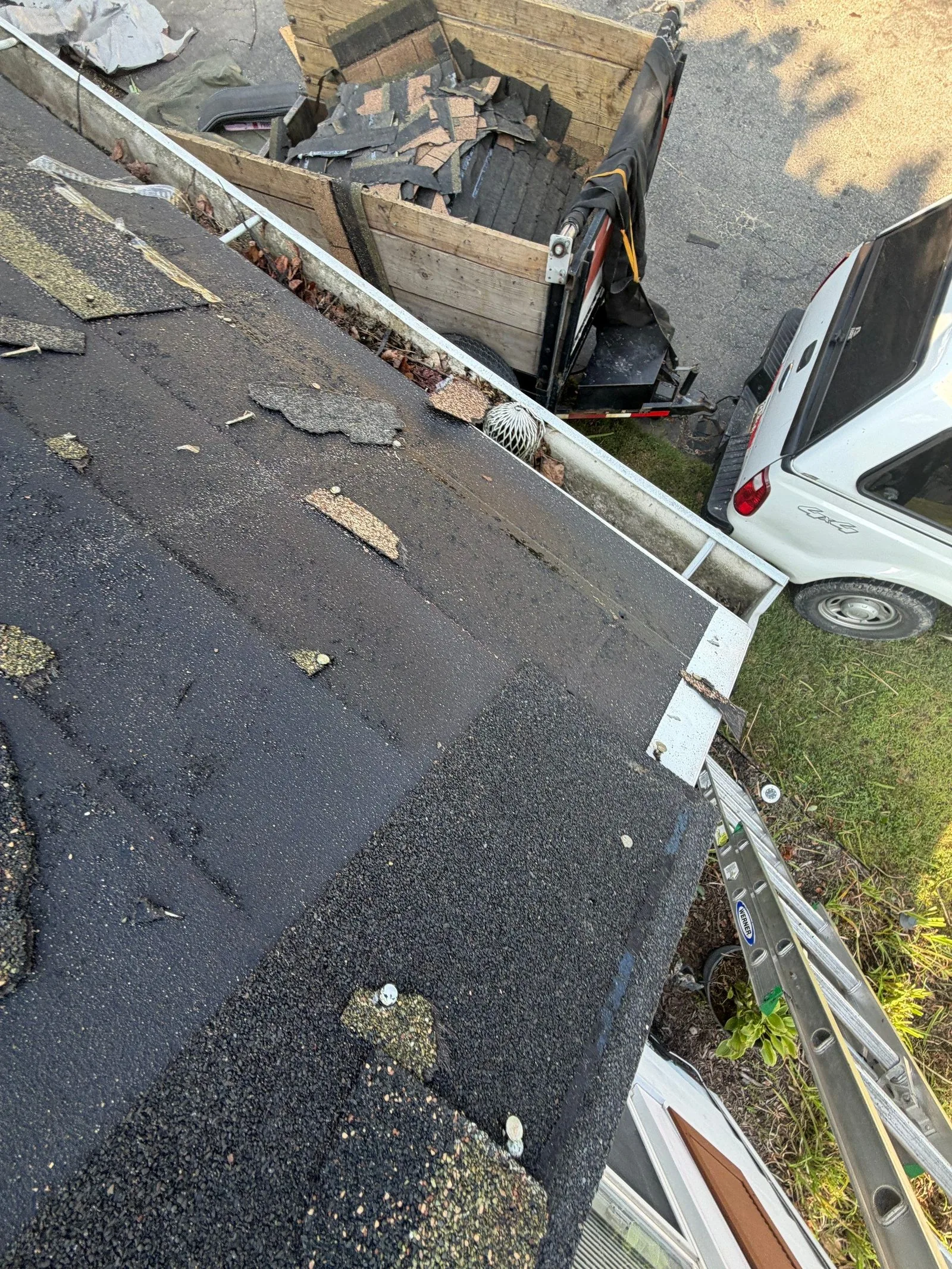
About Baltimore, Maryland
Baltimore sits at the head of the Chesapeake tidal estuary on the Patapsco River, and the Fall Line runs right through it, rolling Piedmont ground to the northwest and flat coastal plain to the southeast. For a roofer that geography shows up as two different cities. The brick rowhouses Baltimore is known for mostly carry flat or low-slope roofs, so the work is membrane, coating, parapet walls, party-wall flashing and internal drainage rather than a shingled gable.
Push into Roland Park, Guilford or Homeland and the houses get larger and the roofs turn steep again, with slate still on plenty of them. Weather comes off the harbor hard, humid summers and coastal storms in the warm months, freeze-thaw the rest of the year, and all of it hits seams and flashing first. We scope a Federal Hill rowhouse and a Homeland slate roof as the separate jobs they are.
Roof or siding work in Baltimore? Call (667) 200-6656 or book a free inspection.
More about roofing permits in Baltimore
Permits and Coverage
Who issues a roofing permit in Baltimore, MD?
Baltimore is an independent city, not part of any county, so a residential re-roof permit comes from the Baltimore City Department of Housing and Community Development rather than from a county office. The link is here for the homeowner who would rather read the requirement first-hand than take a contractor's word for it.
| Town | County | Permits issued by | From Columbia |
|---|---|---|---|
| Baltimore | Baltimore City (independent city) | Department of Housing and Community Development | About 15 miles |
| Catonsville | Baltimore County | Department of Permits, Approvals and Inspections | About 8 miles |
| Glen Burnie | Anne Arundel County | Department of Inspections and Permits | About 13 miles |
| Ellicott City | Howard County | Department of Inspections, Licenses and Permits | About 6 miles |
Distances are straight-line miles between town centers from geocoded coordinates, not drive times. Permit authorities for the city and the three counties in this table were checked against each jurisdiction's own site on 2026-08-26; government sites reorganize, so tell us if a link has moved.
Included on a Full Replacement
100 feet of gutter with your Baltimore roof replacement
Every full roof replacement we do across Central Maryland comes with 100 feet of gutter, gutter guard and downspouts on the same job. It is part of the replacement rather than a second trip and a second invoice, and it is the reason the water coming off a new roof goes where it should.
Included with a full roof replacement. It is not a standalone service, and there is no end date on it.
Book a Free Baltimore InspectionGood to Know
Baltimore roofing: frequently asked questions
Do you work on flat and low-slope rowhouse roofs in Baltimore, or only pitched roofs?
Both, and they are genuinely different jobs. Most Baltimore rowhouses carry a flat or low-slope roof behind a parapet, finished in built-up layers, modified bitumen, or a rubber or single-ply membrane, draining through internal drains or a box gutter. We scope the parapet caps, the party-wall flashing and the drains, because that is where a flat roof fails, and we tell you honestly whether it wants a full membrane replacement or still has coating life.
Can you handle the steep pitched and slate roofs in Roland Park, Guilford and Homeland?
Yes, and on those roofs valley, dormer and flashing detail is most of the labor. The older garden districts north of downtown Baltimore have large homes with steep, cut-up roofs, and slate is still on plenty of them. We install Owens Corning architectural shingles where a slope calls for them, and we check the decking once the old roof is off.
Does the storm weather off the Baltimore harbor actually damage a roof?
Yes, and it tends to work on the seams first, while on pitched roofs it lifts tabs and strips granules. Coastal storms and nor'easters reach Baltimore off the Chesapeake, summers are humid with hard thunderstorms, and winters bring freeze-thaw that opens flat-roof seams, flashing laps and parapet joints. Storm and hail damage restoration is one of our three core services.
Who issues a roofing permit in Baltimore City?
Baltimore is an independent city rather than part of a county, so permits for work there come from the Baltimore City Department of Housing and Community Development, not a county office. We also replace siding, write claim scopes in Xactimate, and include 100 feet of gutter, gutter guard, and downspouts with a full roof replacement.
Nearby
Towns near Baltimore we also serve
Southwest on US-40, the old Baltimore National Pike, we cross the city line into roofing and siding in Catonsville, a Baltimore County streetcar suburb with its own mix of Victorian and postwar roofs.
South on Ritchie Highway toward the Patapsco, we cover roof replacement and storm restoration in Glen Burnie in Anne Arundel County.
West along US-40 and the Patapsco valley we handle roofing and siding in Ellicott City, the Howard County mill town on the far side of the river.
Past the city line in every direction is the rest of the county, the postwar suburbs and waterfront towns we cover on our Baltimore County roofing page.
Local Routes
How we get to Baltimore, MD
We work Baltimore out of Columbia, and reach the city on I-95, I-83 (the Jones Falls Expressway), I-695 (the Beltway) and US-40. These are the corridors that connect Baltimore to the neighboring towns we cover, and the roads our trucks are actually on getting there.
From Ellicott City
Baltimore to Ellicott City
- Roads we run
- US-40, the Baltimore National Pike
- Landmarks on the way
- the Patapsco
- Straight-line distance
- About 12 miles, not a drive time
From Glen Burnie
Baltimore to Glen Burnie
- Roads we run
- Ritchie Highway and I-695
- County
- Anne Arundel County
- Straight-line distance
- About 9 miles, not a drive time
From Catonsville
Baltimore to Catonsville
- Roads we run
- US-40 and I-695
- Landmarks on the way
- the Baltimore City line
- Straight-line distance
- About 7 miles, not a drive time