
Blog
Why Attic Ventilation Matters for a Maryland Roof
Most homeowners never think about attic ventilation. You cannot see it from the curb and it never shows up in a brochure, yet a poorly vented attic can take years off a roof that was otherwise installed well. Here is how attic ventilation actually works, what it does to your shingles when it is missing, and why it matters more in Maryland than in a lot of the country.
A Roof Has to Breathe
Cool air needs to come in low, near the eaves, and warm air needs to leave high, at the peak.
When that airflow is working, the attic stays close to the outdoor temperature and the underside of the roof deck stays dry. When it is blocked or unbalanced, the attic runs hot in July and damp in January, and the shingles above it age faster.
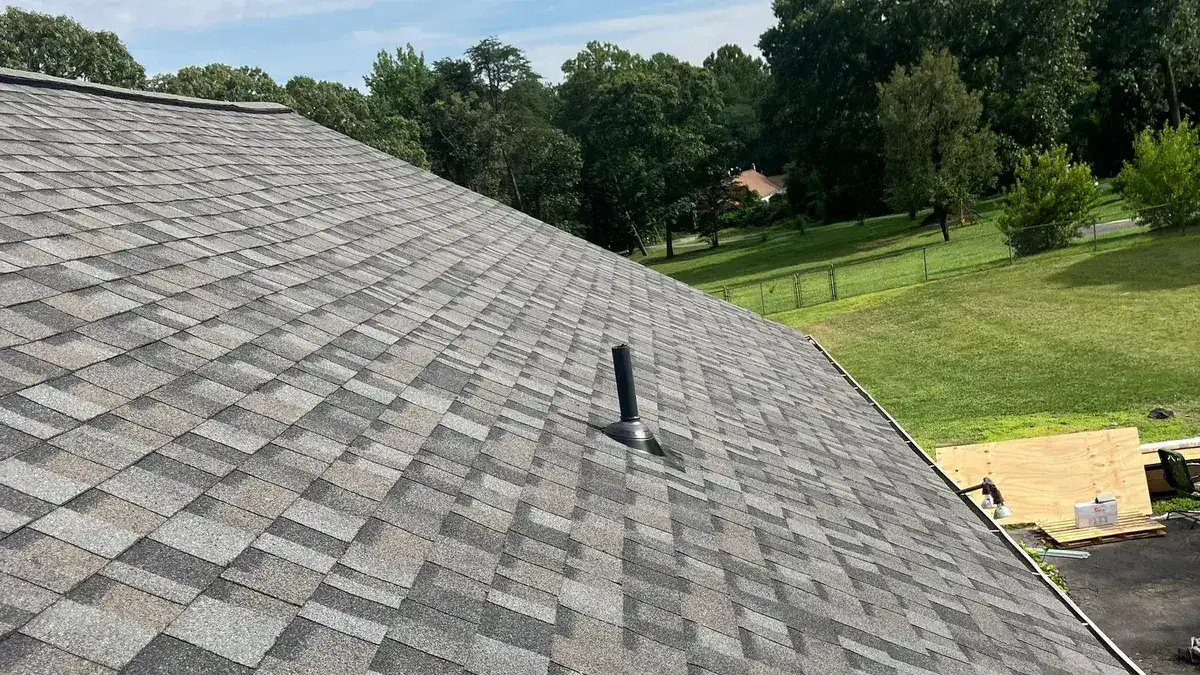
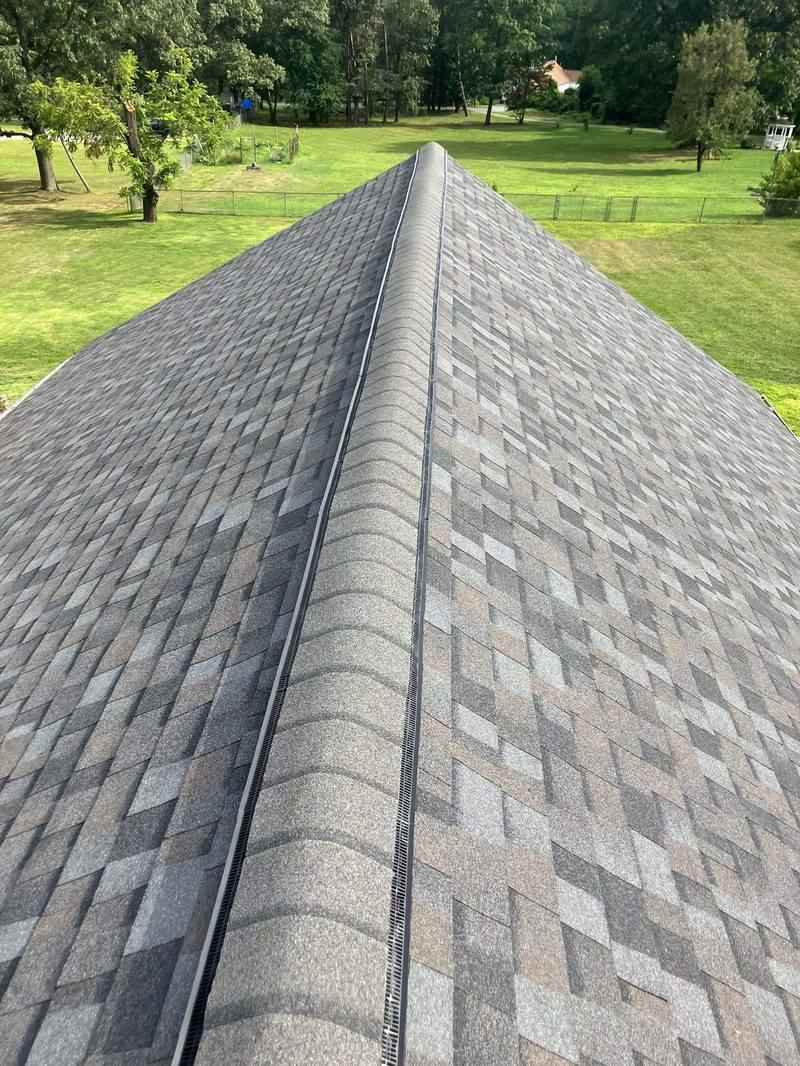
The intake usually lives in the soffit vents along the eaves, and the exhaust sits at the ridge, either through a continuous ridge vent or through box vents near the top of the slope. The two have to work together. Exhaust with no intake just pulls conditioned air out of the house, and intake with no exhaust has nowhere to send the heat.
What Goes Wrong When It Does Not
In summer the attic heat has to go somewhere, and with no way out it builds against the underside of the deck. That heat dries out the asphalt in the shingles from below and drives off the oils that keep them flexible, so they age faster than the same shingle would on a vented roof a few doors down. You can have two identical roofs installed the same week, and the one over a stuffy attic starts curling and losing granules first.
Winter is the quieter problem. Warm, moist air from the kitchen, the bathrooms, and the people in the house drifts up into the attic, and if it cannot escape it condenses on the cold nail tips and the underside of the sheathing.
Over a few seasons that moisture shows up as dark stains, rusted fasteners, matted insulation, and sometimes mold. Homeowners often blame a roof leak for those stains when the real source was the air inside the house all along.
The other winter trouble is ice dams. A warm attic melts the snow on the roof, the meltwater runs down to the cold overhang, and it refreezes into a ridge of ice at the eave.
Water then backs up behind that ridge and finds its way under the shingles. Good ventilation keeps the whole roof deck closer to the same temperature, which is one of the better defenses against dams forming in the first place.
Signs Your Attic Is Not Venting
You do not need to climb up to get a feel for it. A few things tend to show up when the airflow is off:
- The upstairs rooms run much hotter than the rest of the house in summer, and the air conditioner never quite catches up.
- You notice a musty smell near the attic hatch, or you see dark staining and frost on the sheathing when you look inside on a cold morning.
- The insulation looks damp, flattened, or discolored in spots.
- Shingles on the sunniest slopes are curling or aging faster than the shaded ones.
- Icicles and a ridge of ice build along the gutters and eaves after a snow.
Any one of these can have another cause, so they are a reason to look, not a diagnosis. When we are up on a roof for a free inspection we check the attic side too, because the airflow explains a lot of what we find on top.
Balance Is the Whole Game
The single most common ventilation mistake we see is exhaust added without matching intake. Someone cuts in more ridge vent or drops a few extra box vents to fix a hot attic, but the soffits are painted shut or stuffed with insulation, so there is no fresh air coming in to replace what leaves. The system ends up pulling air from the path of least resistance, which is often the house itself or one vent pulling from another, and the attic barely improves.
A well-vented attic has intake low and exhaust high in a rough balance, sized to the attic it sits over. When we plan ventilation we look at the soffits first, make sure the insulation is held back off the eaves with baffles so air can actually get in, and then size the ridge or box exhaust to suit.
Get It Right During a Replacement
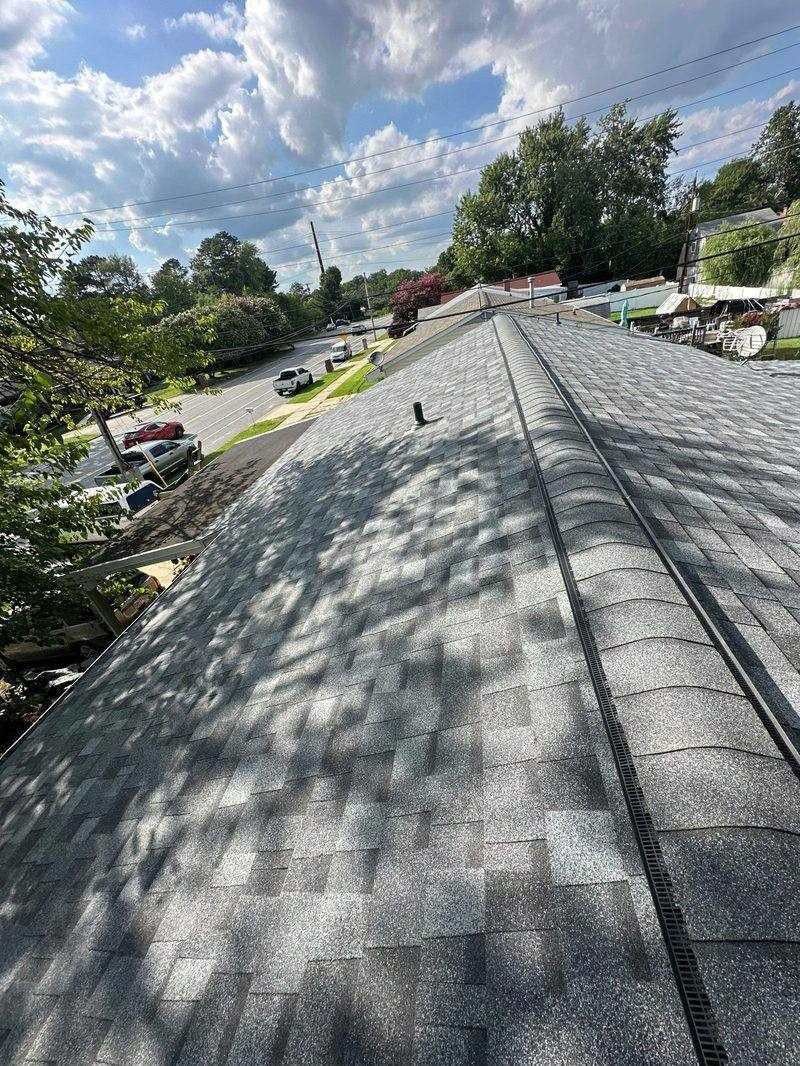
The best time to fix ventilation is when the shingles are already off. During a roof replacement the deck is exposed, the soffits are easy to reach, and adding a continuous ridge vent or correcting the intake costs far less than going back to do it as its own project later. If your current roof aged early and you are not sure why, ventilation is one of the first things worth checking before the new one goes on, so the new shingles do not inherit the same problem.
It matters across every shingle grade too. A heavier asphalt shingle carries a longer rating on the wrapper, but that rating assumes the attic is vented.
A premium shingle over a hot, unvented attic loses much of that advantage. We get into how the shingle itself affects longevity in our post on how long a roof lasts in Maryland, and ventilation is one of the biggest factors.
Why Maryland Makes It Count
Maryland is hard on a roof in both seasons. The summers are hot and humid, which overheats an unvented attic and helps algae grow on the shingles above it. Then winter brings the freeze and thaw swings that create ice dams and let trapped moisture condense.
If the upstairs runs hot every August or frost shows on the sheathing in January, book the free inspection and ask us to check the attic side.
Frequently Asked Questions
Can poor attic ventilation really shorten a roof's life?
Yes. A hot, unvented attic bakes the shingles from below in summer and drives off the oils that keep them flexible, so they age and curl earlier than the same shingles would on a vented roof.
Trapped moisture in winter adds rot and mold to the mix. Ventilation is one of the biggest factors in whether a roof reaches its rated life.
What are the signs my attic is not venting well?
Common signs are upstairs rooms that stay much hotter than the rest of the house in summer, a musty smell or dark staining and frost on the attic sheathing in winter, damp or flattened insulation, shingles that curl on the sunniest slopes, and ice building along the eaves after a snow. Any one can have another cause, so they are a reason to have it looked at.
Do I need to add ventilation when I replace my roof?
A replacement is the best time to correct it, because the deck is already exposed and the soffits are easy to reach. If your old roof aged early, we check the attic airflow before the new shingles go on so the new roof does not inherit the same problem.
Does a ridge vent still work in the winter?
Yes. A ridge vent lets warm, moist indoor air escape year round, which keeps the attic drier in winter and helps hold the whole roof deck closer to one temperature. That even temperature is one of the better defenses against ice dams forming at the eaves.
Why does exhaust venting need matching intake?
Air has to come in for air to go out. If you add ridge or box exhaust but the soffit intake is blocked or painted shut, the system has nothing to draw from and barely improves, and it can even pull conditioned air out of the house. Balanced low intake and high exhaust is what makes ventilation actually work.
Roof aging early? Let us check the attic too.
Free no-obligation inspections · Central Maryland · Mon-Sat 8:00 AM - 5:00 PM