
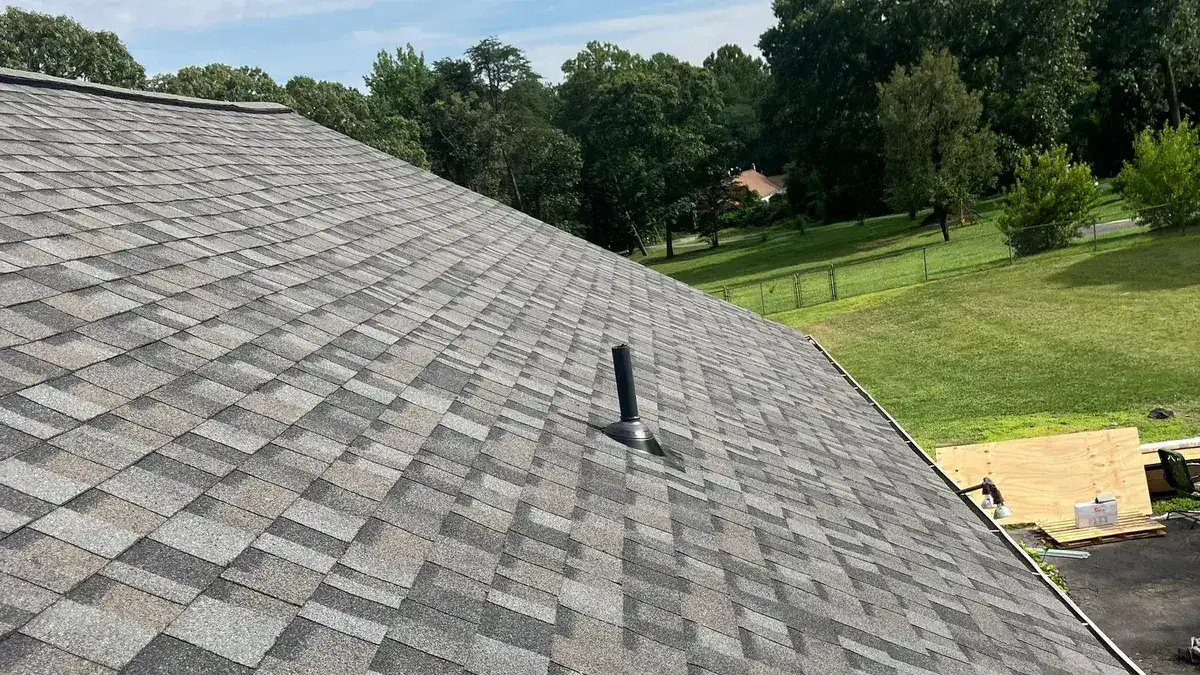
Blog
How Long Does a Roof Last in Maryland?
It is the first question most homeowners ask, and the honest answer is that a roof does not come with an expiration date stamped on it. Two houses on the same street, roofed the same year with the same shingle, can be years apart in how they hold up. Here is what actually decides how long a roof lasts in Maryland, why the number moves around so much, and how to get a real read on where your own roof stands.
It Depends, and Here Is What It Depends On
A roof is a system, so its life is set by the weakest part of that system rather than by the shingle alone. The material on top matters, but so does how well the roof was installed, whether the attic underneath is vented, how the flashing and valleys were detailed, and what the weather has thrown at it. A well-built asphalt roof with good ventilation can outlive a cheaper one by a wide margin, even when the shingles came off the same pallet.
That is why we will not quote you a lifespan over the phone. The number that means anything comes from getting on the roof and looking at the specific slopes, the flashings, and the attic, and we do that as a free inspection because guessing from the driveway helps nobody.
Asphalt Shingles in a Maryland Climate
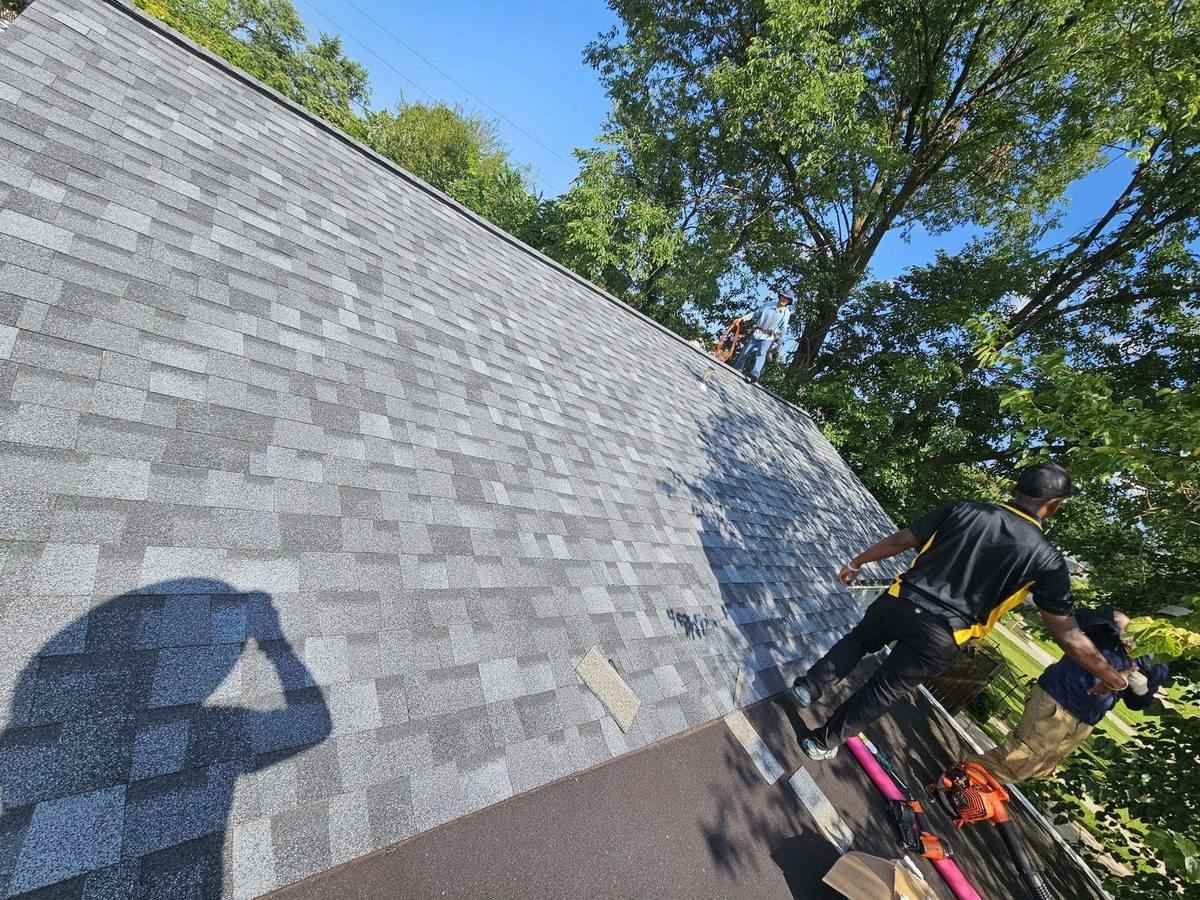
Most homes around here have asphalt shingles, and within that there are two families. A basic three-tab shingle is thinner and lighter, and it tends to wear out sooner, especially on a sun-baked or poorly vented roof.
An architectural shingle is heavier and built up in layers, and it generally carries a longer manufacturer rating and holds wind better. If you are weighing one against the other, we get into that in our guide on architectural versus three-tab shingles, and our asphalt shingle roofing page covers what we install and why.
Whatever grade of shingle is up there, the manufacturer rating is a ceiling, not a promise. A shingle rated for a long life on the box still needs a sound deck, proper nailing, and an attic that vents, or it ages early no matter what the wrapper said.
Typical service life by roof type
| Roof type | Typical service life | What shortens it here |
|---|---|---|
| 3-tab asphalt shingle | 15 to 20 years | Cupping, then wind lift on exposed slopes |
| Architectural asphalt shingle | 25 to 30 years | Attic heat where soffit venting is blocked |
| A second layer over an old roof | Shorter than the first | Trapped heat, deck irregularity, a lower wind rating |
| Low-slope or flat membrane | 15 to 25 years | Ponding that never reaches a drain |
General trade ranges, not a promise about your roof. Central Maryland pushes most roofs toward the low end of each band: the same roof freezes and thaws all winter, then bakes through August. Condition beats age every time, which is what a free inspection is for.
What Maryland Weather Does to a Roof
Our summers are hot and humid, and that combination is hard on a roof. Heat dries out the asphalt and drives off the oils that keep a shingle flexible, and humidity helps algae and moss grow and hold moisture against the surface. Then winter brings freeze and thaw cycles that work at every small crack and lifted edge, widening them a little each time water gets in and freezes.
A single bad wind or hail event can take years off a roof in an afternoon, and the damage is not always obvious from the ground. If a storm has come through, our guide on spotting storm and hail damage walks through what to look for before you assume the roof came out fine.
Flat and Low-Slope Roofs Age Differently
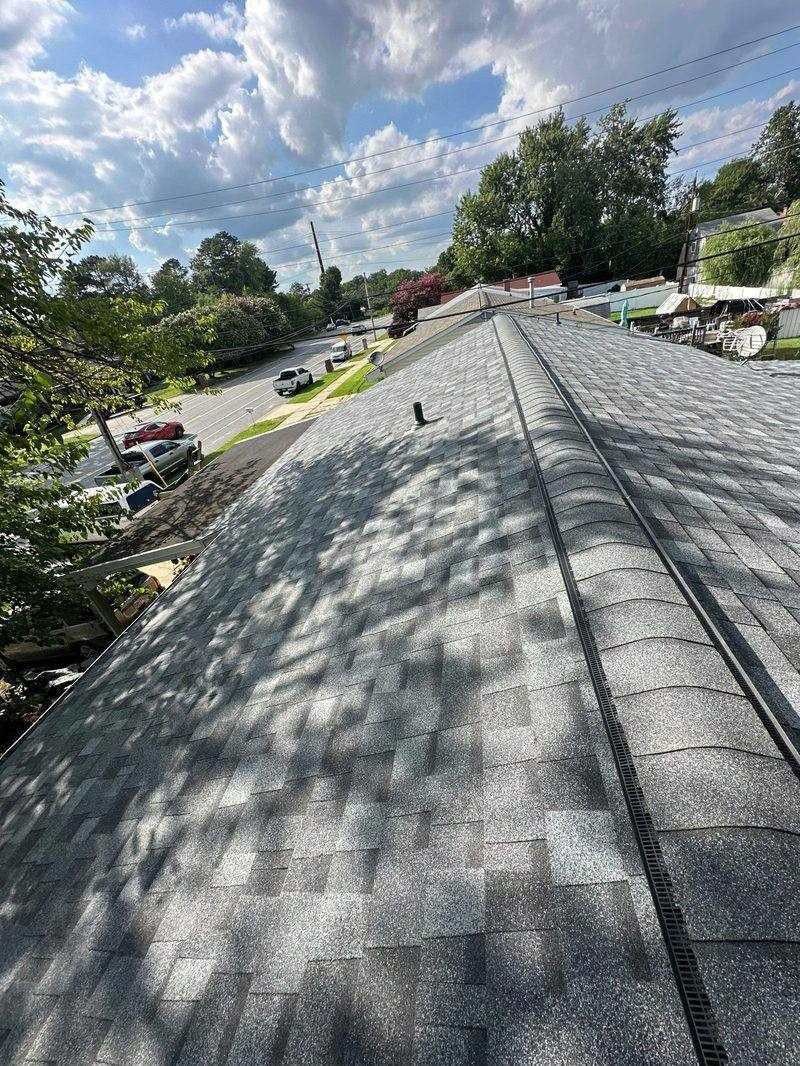
If part of your house is flat or low-slope, over a porch, an addition, or the back of an older home, that section ages differently. Its life is tied to the membrane and the drainage rather than to shingles, and standing water is what shortens it.
A low-slope roof that drains well and gets looked at now and then can go a long time, while one that ponds after every rain wears out fast. We cover how these systems work in our post on flat and low-slope roofs, and our commercial flat roofing page goes into larger jobs.
Your Neighborhood Is Part of the Answer
Where you live shapes the answer too, because the housing stock changes across the metro and so does the roof that sits on it. Across the postwar suburbs of Baltimore County, Towson to Owings Mills, most homes carry pitched asphalt roofs that follow the shingle timeline above. Down in Baltimore City, the brick rowhomes usually have flat or low-slope membrane roofs, which age on the drainage clock instead.
A house in Howard County built in the last few decades is a different case again. A lifespan figure from a national average may not fit your roof.
What Adds Years, and What Steals Them
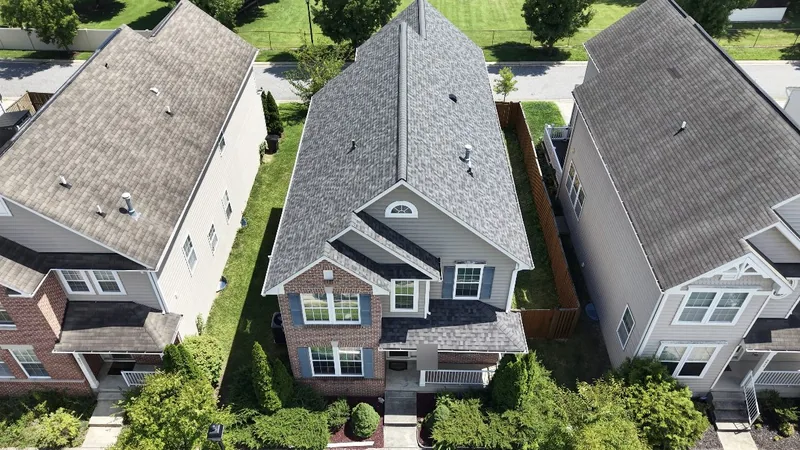
The things that add life are not glamorous. Good attic ventilation keeps heat and moisture from overheating the shingles from below. A clean install with the right nailing and new flashing means the roof does not leak at the details first.
Keeping gutters clear and branches off the roof keeps water and debris from sitting where they do damage.
A blocked attic that traps heat, flashing that was reused when it should have been replaced, a valley that holds debris, or a small leak nobody caught. Left alone, any of those quietly shortens the life of an otherwise good roof.
How to Tell Where Your Roof Stands
You do not have to guess. The straightest way to know how much life your roof has left is to have someone get up there, check the shingles, the flashing, and the attic, and give you a plain read.
If yours is getting up in years or has been through a rough storm season, book a free roof inspection and we will tell you what we find, including if the answer is that it has plenty of life left. Our post on when to replace a roof in Maryland covers the warning signs to watch for, and what to expect during an inspection walks through how the visit goes.
Frequently Asked Questions
How long does an asphalt shingle roof last in Maryland?
It varies a lot with the grade of shingle, the quality of the install, and how well the attic vents. A heavier architectural shingle generally lasts longer than a basic three-tab, and good ventilation and maintenance stretch either one. The only reliable number comes from a look at your specific roof.
Why do two roofs the same age look so different?
Because a roof is a system. Ventilation, install quality, sun exposure, and storm history all pull on the lifespan, so two roofs shingled the same year can be in very different shape. The attic and the flashing details often matter as much as the shingle on top.
Does Maryland weather really shorten a roof's life?
Yes. Hot, humid summers dry out the asphalt and help algae grow, and winter freeze and thaw cycles work at small cracks and lifted edges. A single wind or hail storm can also take years off a roof in one afternoon, sometimes without obvious damage from the ground.
Can I make my roof last longer?
Often, yes. Keeping the attic well ventilated, the gutters clear, and branches off the roof all help, and catching a small leak or a bit of storm damage early keeps it from turning into a bigger problem. A periodic inspection is the cheapest insurance there is.
How do I know if my roof needs replacing yet?
Watch for widespread curling or granule loss, bald spots, sagging, repeated leaks, or daylight in the attic. Any of those is worth a professional look. A free inspection gives you a straight read on the age and condition and whether replacement is actually due.
Wondering How Much Life Your Roof Has Left?
Free no-obligation inspections · Central Maryland · Mon-Sat 8:00 AM - 5:00 PM