
Blog
The roof deck decision during a Columbia roof replacement
There is a brief moment in a roof replacement when the old shingles are gone and the new roof has not covered the wood. That is when the crew can confirm whether the deck is sound. A driveway view before tear-off cannot show every soft panel or split plank. The question for a Columbia homeowner is how that finding will be documented and handled before the next layer goes down.
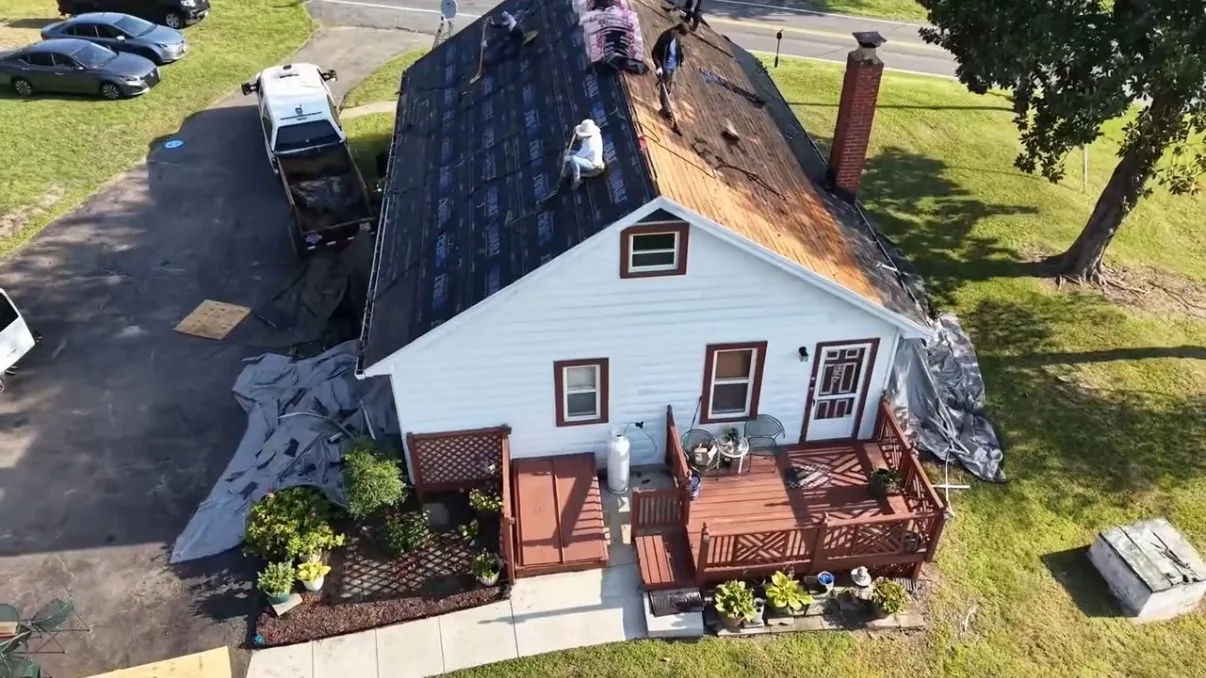
Diakite Roofing & Restoration says its owner starts with a free inspection and a written scope. During replacement, the crew strips the old covering to bare wood, checks the deck and shows homeowners any failed sheathing. Its roof replacement page includes photos of old planks, replacement boards, underlayment and the finished roof.
What can the crew see after tear-off?
The deck may be made of plywood, OSB panels or older planks. The crew can walk and inspect it once the covering is removed. A soft section, delaminated panel or split plank may need replacement before underlayment is installed. The size and location of the damaged area matter more than a vague statement that the whole deck was “bad.”
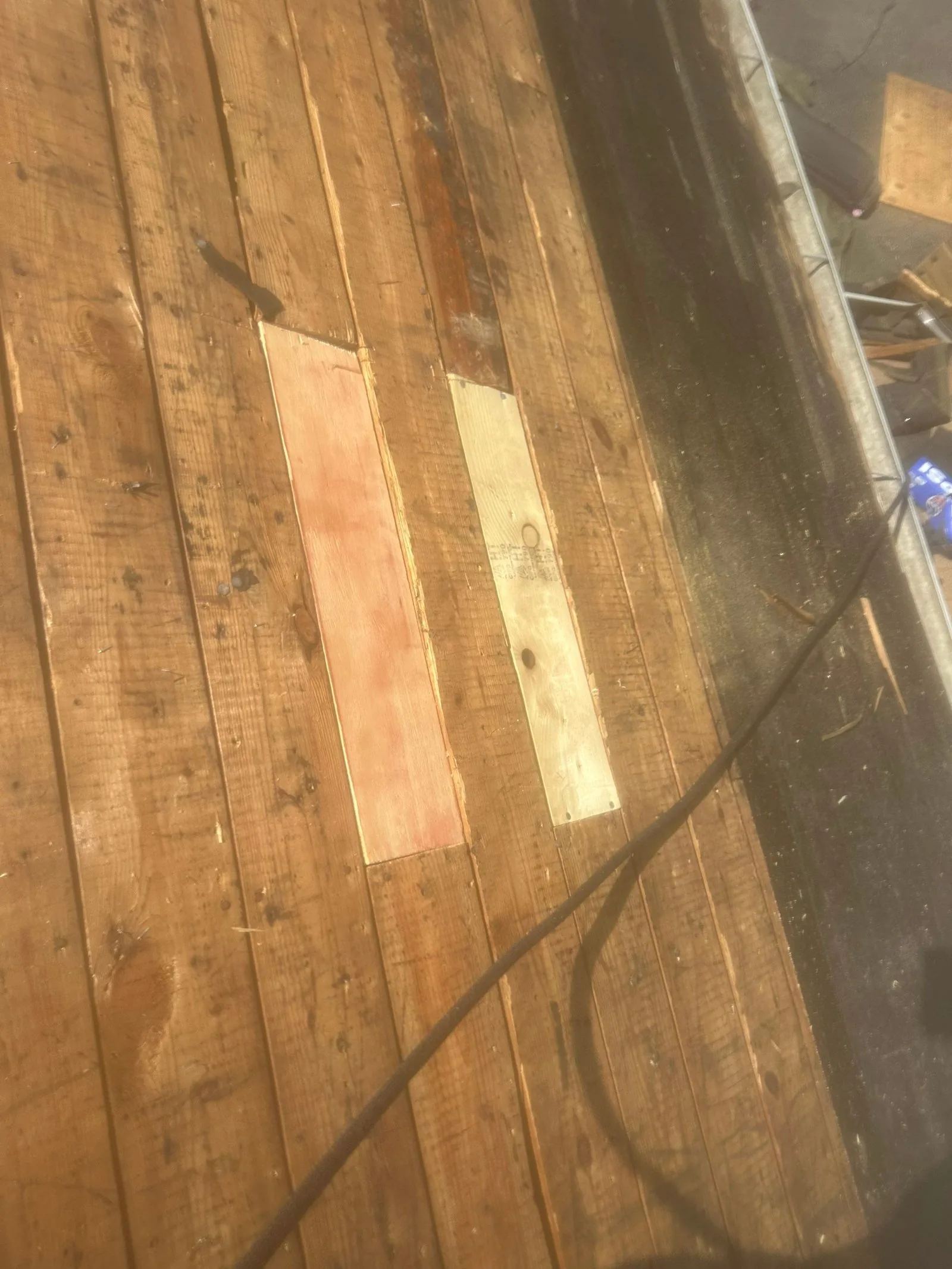
Ask for a photo that shows each proposed change in context, followed by a close view. If boards will be replaced, the scope should explain how the quantity is measured and approved. Diakite's site shows a real job with two new boards let into existing plank decking; it is a useful example of a localized deck change, not a rule for every roof.
Set the decision rule before the crew arrives
Because the deck is concealed at estimate time, ask how the contractor handles a change discovered during tear-off. Who will contact you? Will you see photos before additional work starts? Is a unit price for replacement decking in the written proposal? A clear process keeps a one-day installation moving without turning an unseen condition into a surprise invoice.
Then ask what happens after the damaged wood is replaced. Diakite describes ice and water membrane at eaves and valleys, synthetic underlayment across the field, and an Owens Corning architectural shingle system. The deck is the base for those layers. New materials should not be laid over wood the crew has already identified as unsound.
| Before installation | During tear-off | At completion |
|---|---|---|
| Written scope and a method for pricing concealed damage | Photos of any soft or split deck area before covering | Photos of replacement boards and the new roof layers |
| Shingle choice and planned date | Homeowner approval for any scope change | Final scope matching the work performed |
Keep the inspection and replacement decisions separate
An inspection can show that a roof replacement is warranted, but it cannot reveal every concealed deck condition. Diakite says it tells homeowners when an inspected roof is still sound. If replacement is needed, the deck check is a second decision made with the wood exposed. Keeping those decisions distinct makes the photos and quote easier to understand.
See the company's roof replacement process in Columbia and its roof inspection service before requesting a written scope. The same deck conversation applies to a replacement in Ellicott City or another Central Maryland community Diakite serves.
Related reading
For another concealed layer, see what to inspect during a Columbia siding replacement.
Ask about your own house
Get a written scope based on an on-site inspection.