
Blog
What a Columbia siding replacement should show before the wall is covered
A siding installation quote describes the finished surface. The most useful inspection happens before that surface goes on. Once old panels are removed, the crew can see whether the wood is sound, how water has moved around windows, and whether the weather barrier is intact. After new siding covers the wall, those details are much harder to check.
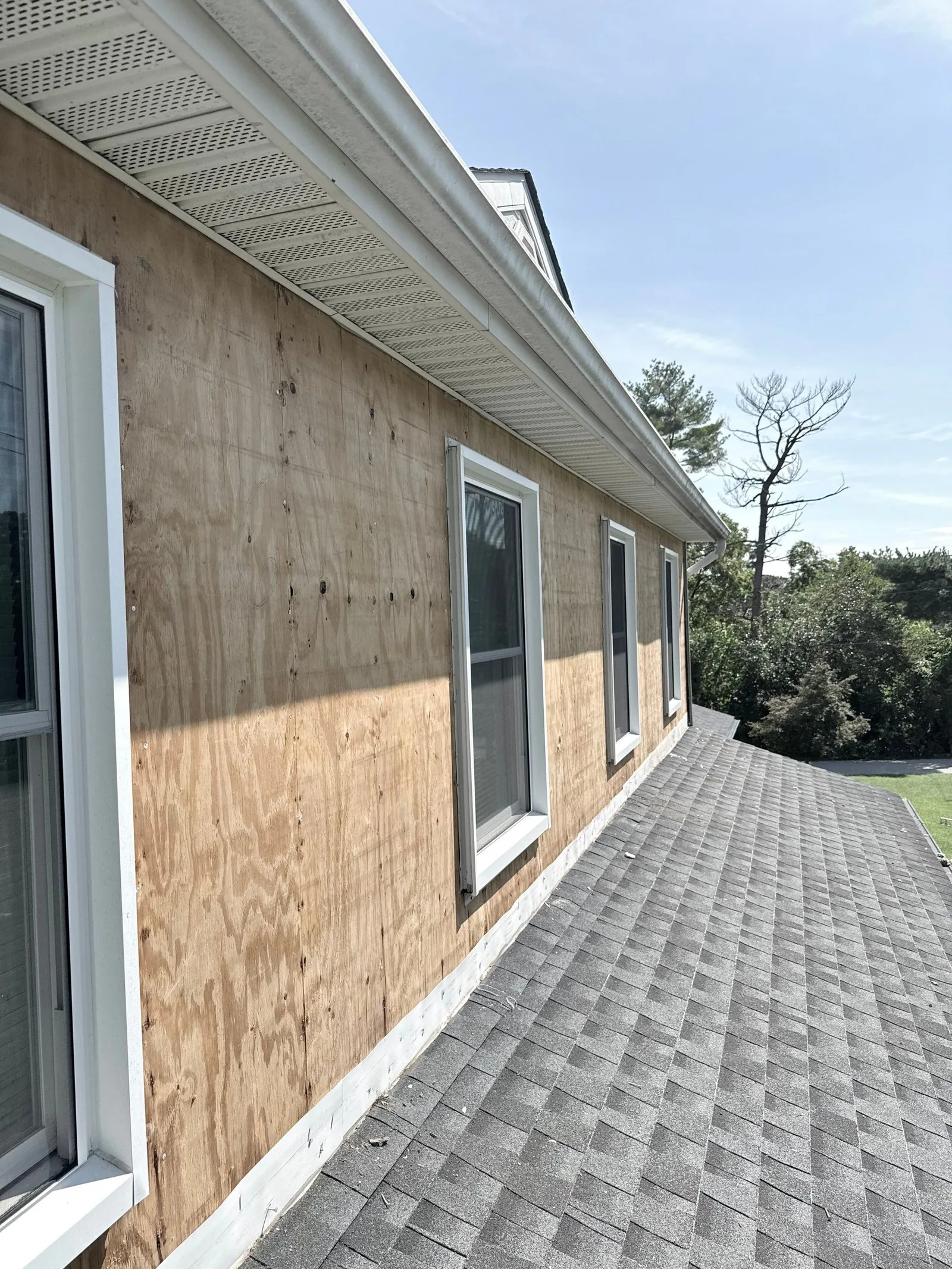
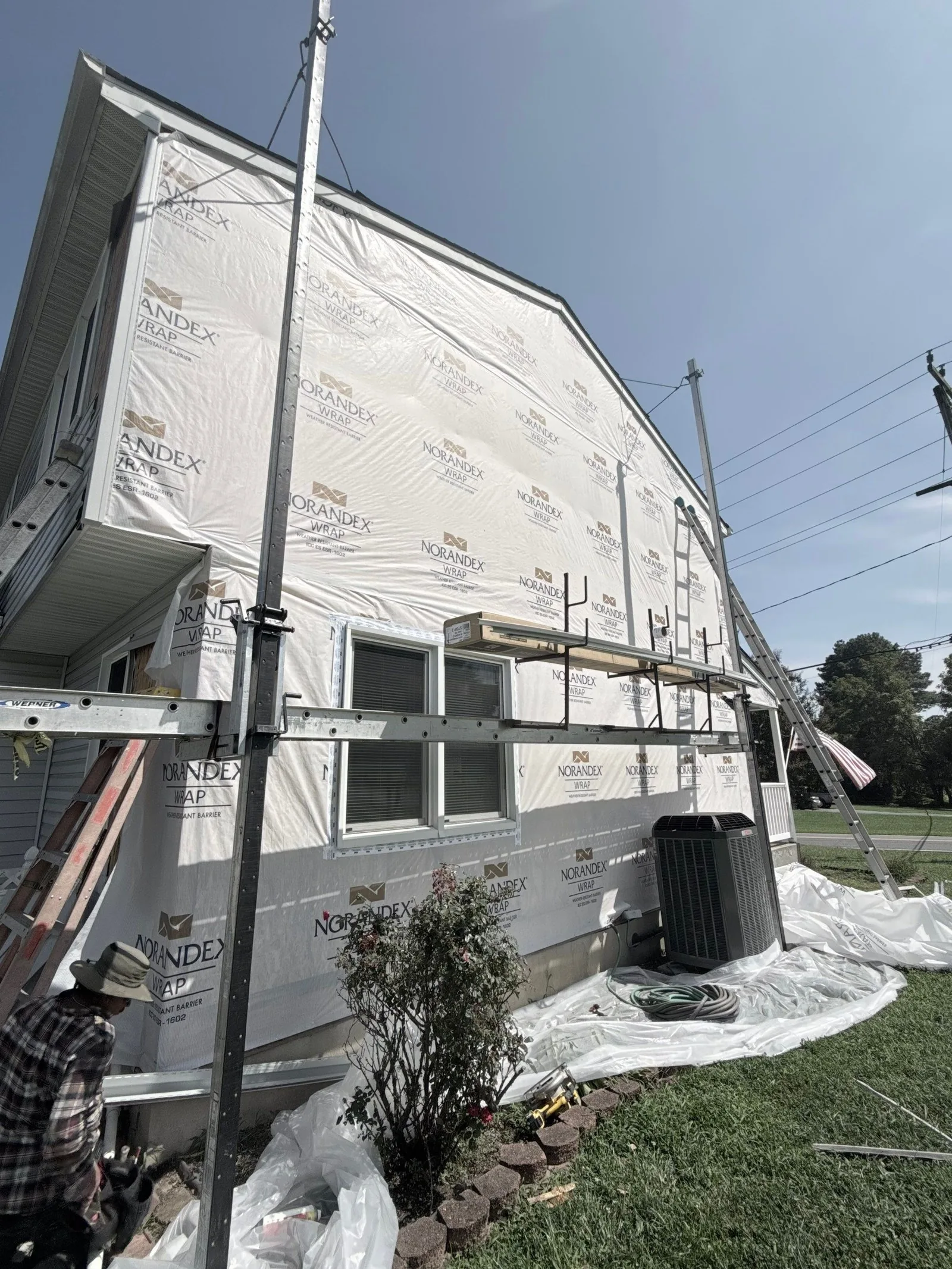
Diakite Roofing & Restoration documents one Columbia area job on its siding replacement page from original lap siding through tear-off, new sheathing, weather barrier and the start of the new vinyl installation. The photos give homeowners a concrete way to discuss what should be inspected on their own house. They are not a claim that every wall has the same damage.
Ask to see the sheathing while it is exposed
The wall sheathing is the board beneath the siding and barrier. Look for an explanation of any soft, wet or damaged areas, especially near window corners, roof-to-wall intersections and the lower edge of the wall. A photograph with the location identified is more useful than a verbal “we fixed it” after the new siding is in place.
Diakite says it inspects the sheathing after tear-off and shows homeowners soft material before covering it. Ask how replacement boards will be measured and approved if more damage appears than the original scope allowed. The crew should be able to distinguish the area that needed new wood from sound material that stayed.
Follow the weather barrier around openings
Siding sheds most rain, but some water can get behind panels. The weather-resistant barrier and flashing need to direct that water back out. This is why the area around a window matters as much as the panel color. Ask the installer to show how the barrier overlaps at seams and how the flashing ties into the opening before trim goes on.
The site's photo sequence includes a wall wrapped after the damaged material was removed. A wrapped wall is a stage of the job, not a finished installation. The new panels and trim still need to be fitted without blocking the drainage path.
Keep a short record of each stage
You do not need a full construction diary. Ask for a few clear photos that show the open wall, any sheathing replacement, the installed barrier, and the finished elevation. Label them by side of house. This helps you connect the final result to the work that disappeared under the new siding.
| Photo | What it should answer |
|---|---|
| Entire wall after tear-off | Which area was opened and what condition was found? |
| Close view of changed sheathing | Where was new board installed? |
| Barrier and window detail | How is water directed around openings? |
| Finished wall | Do panel courses, corners and trim match the written scope? |
The same questions apply to siding installation in Ellicott City and elsewhere in Howard County. The exact wall, material and weather exposure will change, but the opportunity to inspect the layers occurs at the same point: after removal and before covering.
For Diakite's documented sequence and installation process, see siding replacement in Columbia. Request an on-site measure and written scope through the site's contact page.
Related reading
Replacing the roof as well? See our roof deck check during a Columbia roof replacement.
Ask about your own house
Get a written scope based on an on-site inspection.