
Blog
Architectural vs 3-Tab Shingles: Which Is Right for Your Maryland Roof?
When it is time for a new asphalt roof, one of the first real choices is the shingle itself, and it usually comes down to two kinds: three-tab and architectural. They are both asphalt, they both go on the same way, and to a lot of homeowners they look similar in the parking lot at the store.
On the roof they behave differently, though, and the difference shows up in how the roof looks, how it holds up in a Maryland storm, and how long it lasts. Here is a plain rundown so you can tell which one belongs on your house.
The Two Kinds of Asphalt Shingle
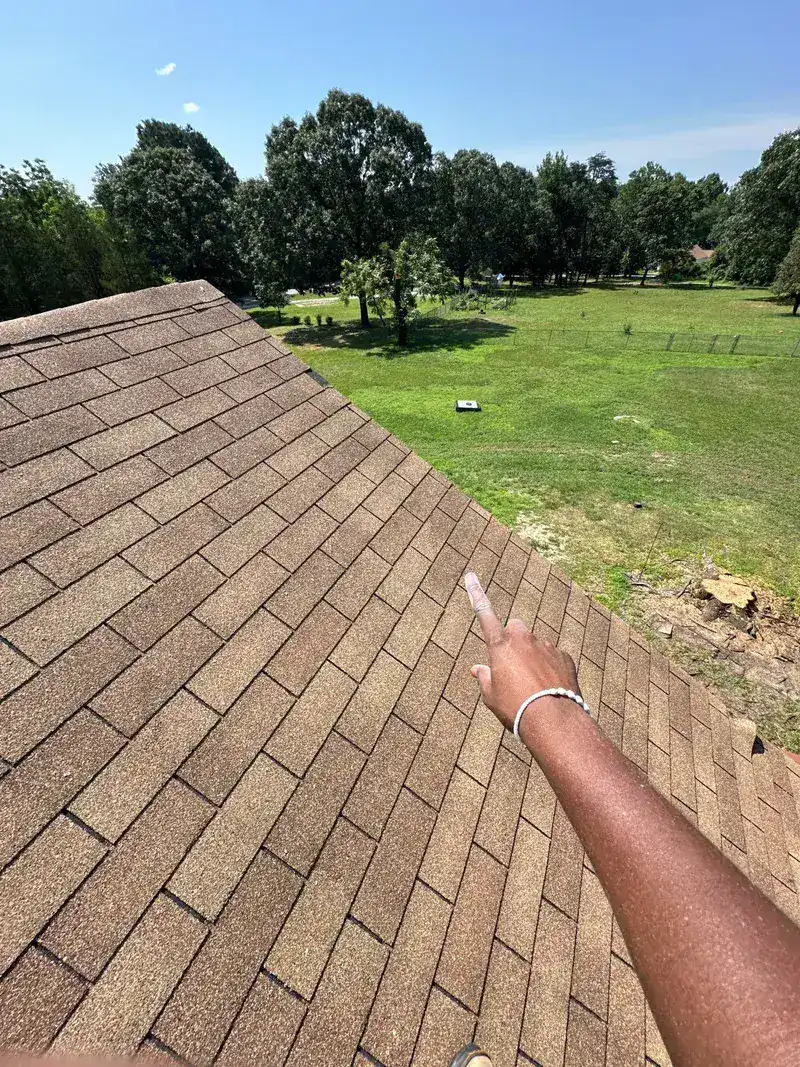
A three-tab shingle is a single flat layer with cutouts that make it read as three even tabs across. It is lighter and thinner, and for years it was the standard budget shingle on a lot of homes. You can still spot it on older roofs by its flat, uniform, striped look.
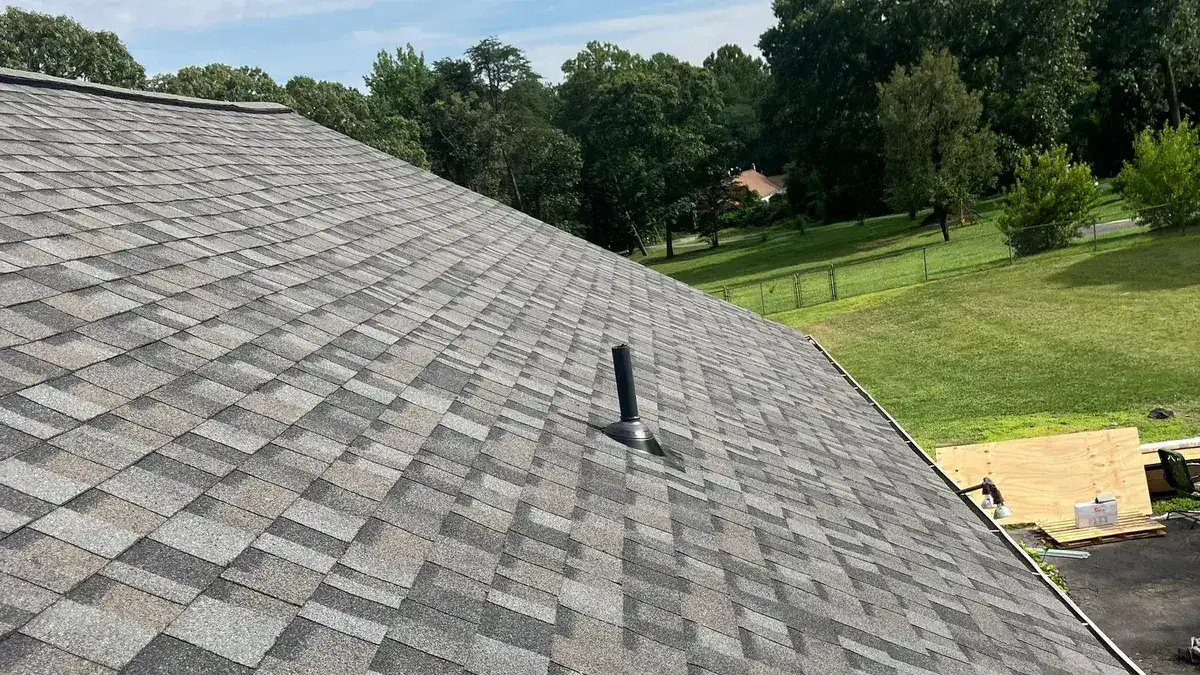
An architectural shingle, sometimes called dimensional or laminate, is built from two layers bonded together, with the tabs and shadow lines varied on purpose. That extra material is what gives it a thicker, more textured look and a good deal more weight. Most new asphalt roofs going on today use architectural shingles, and it is what we put on the majority of the roofs we replace.
How They Look on the House
Curb appeal is the difference people notice first. The varied tabs on an architectural shingle throw shadow lines that give the roof depth, and from the street it can read a little like slate or wood shake.
A three-tab roof lies flat and even, which some owners like for a clean, simple look, but it does not carry the same dimension. On a house you are planning to sell, or one where the roof is a big part of the front elevation, that difference is worth thinking about.
How They Hold Up
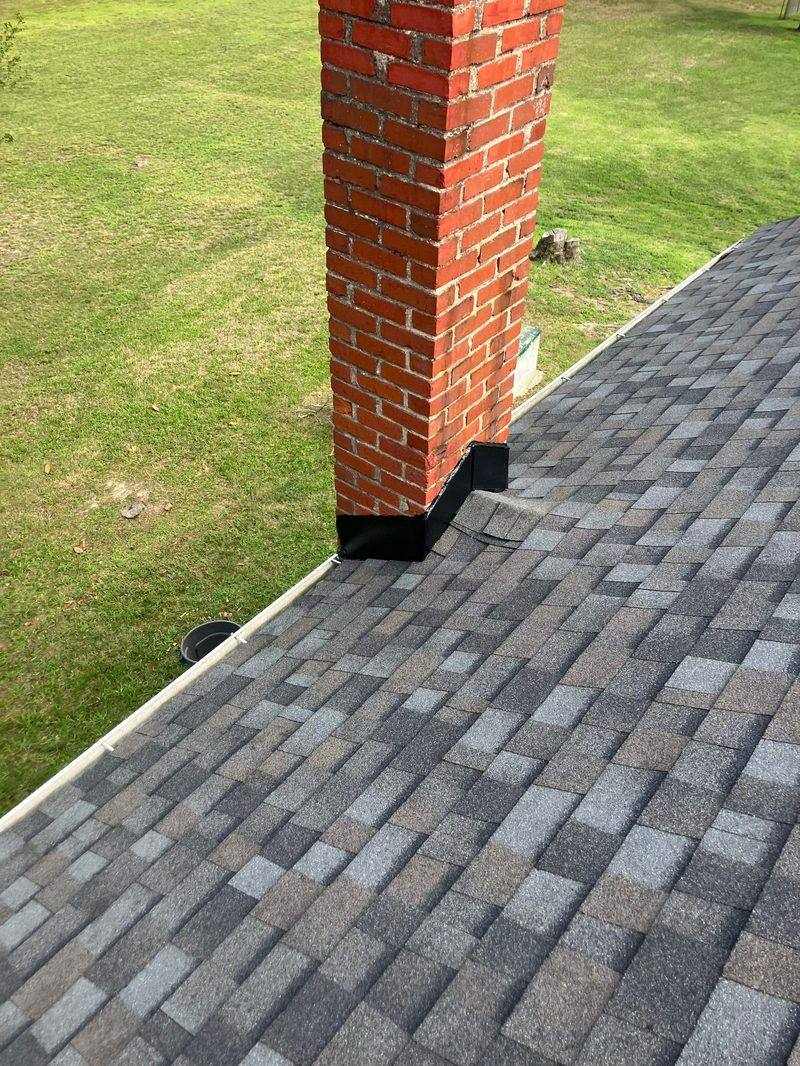
The heavier build of an architectural shingle does more than improve the look. The extra layer makes it more resistant to wind lift, and manufacturers generally rate architectural shingles for higher wind speeds and longer service than three-tab.
That matters on an exposed roof or a tall gable that catches the wind. A three-tab shingle can do fine in a sheltered spot with a good install, but it has less margin when the weather turns rough.
None of that overrides the install. A premium shingle nailed wrong or laid over a bad deck will still fail early, which is why we treat the deck, the nailing, and the flashing as part of the same decision as the shingle grade.
Wind and Storms in Maryland
Maryland gets its share of strong summer storms, and wind is usually what pulls shingles loose or folds back a tab. That is a big part of why architectural shingles have become the default on new roofs here.
Their heavier build holds better when a gust gets under an edge. If your current roof has already taken a beating, our guide on spotting storm and hail damage helps you read it, and our storm and hail damage restoration page covers how we handle the replacement and the insurance side.
When Three-Tab Still Makes Sense
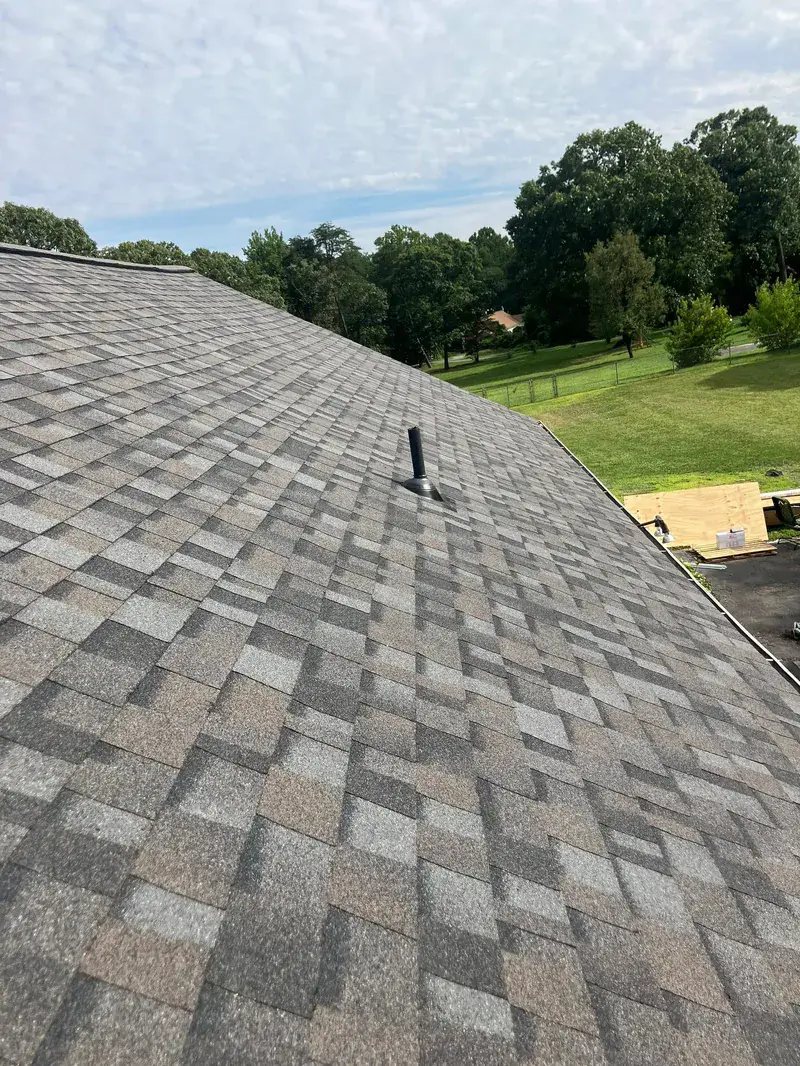
Three-tab is not dead, and there are honest reasons to choose it. It is the lighter, lower-cost option, so it can fit a tight budget or a rental where the goal is a sound roof rather than a showpiece.
It can also be the right call for matching an existing three-tab roof on part of a building, or for a simple structure where the look does not carry much weight. We will tell you when it is a reasonable choice rather than push the pricier shingle by default.
Which One Belongs on Your Roof
For most Maryland homes we end up recommending architectural shingles, because the better wind resistance, the longer rating, and the look tend to be worth it over the life of the roof. That said, the right answer depends on the house. The pitch, the exposure, any homeowners association requirements, your budget, and how long you plan to stay all feed into it.
We walk the roof, talk through the trade-offs, and let you make the call with the facts in front of you. Our asphalt shingle roofing page shows what we install, and if the roof is due, roof replacement covers what the job involves.
Curious how long either one will actually last on your house? Our post on how long a roof lasts in Maryland gets into the things that stretch or shorten that number.
Frequently Asked Questions
What is the difference between architectural and three-tab shingles?
Three-tab shingles are a single flat layer with even cutouts, lighter and thinner. Architectural shingles are built from two bonded layers with varied tabs, which makes them heavier, more textured, and generally longer lasting and more wind resistant.
Are architectural shingles worth the extra cost?
For most Maryland homes we think so. The better wind resistance, longer manufacturer rating, and dimensional look tend to pay off over the life of the roof. On a tight budget or a simple structure, though, a good three-tab install can still be a sensible choice.
Which shingle holds up better in wind?
Architectural shingles generally carry higher wind ratings because the extra layer gives the roof more to hold onto. That said, wind resistance also depends heavily on correct nailing and a sound deck, so the install matters as much as the shingle grade.
Can I mix three-tab and architectural shingles?
You can use three-tab to match an existing three-tab section, but mixing the two on the same visible slope usually looks off because the textures differ. If a roof is being replaced whole, most owners pick one type for a consistent look.
How do I choose the right shingle for my house?
Look at the pitch and exposure, any homeowners association rules, your budget, and how long you plan to stay. The simplest path is a free inspection where we walk the roof and talk through the trade-offs so you can decide with the facts in hand.
Not Sure Which Shingle Fits Your Roof?
Free no-obligation inspections · Central Maryland · Mon-Sat 8:00 AM - 5:00 PM