
Blog
What to Do When Your Roof Is Leaking in a Storm
A roof leak during a storm is one of those problems that feels much bigger at 11pm than it will in the morning, and what you do in the first hour matters. The goal is simple: protect the inside of your home, stay safe, and set up the repair so it goes smoothly. Here is a calm order of operations for when water is coming through the ceiling and the rain has not stopped.
First, Protect the Inside
Before you think about the roof at all, deal with the water in the room. Move furniture, electronics, and anything with sentimental value out from under the drip, and get a bucket or a bin under the active leak.
If water is pooling against a light fixture or running near an outlet, treat that circuit as unsafe and shut it off at the panel if you can do so without standing in water. A spreading ceiling stain that starts to bulge is holding water behind it, and a small poke with a screwdriver into the low point will let it drain into a bucket instead of bringing the whole patch down at once.
None of this fixes the roof, but it keeps a roof problem from turning into a ceiling, floor, and electrical problem while you wait for daylight.
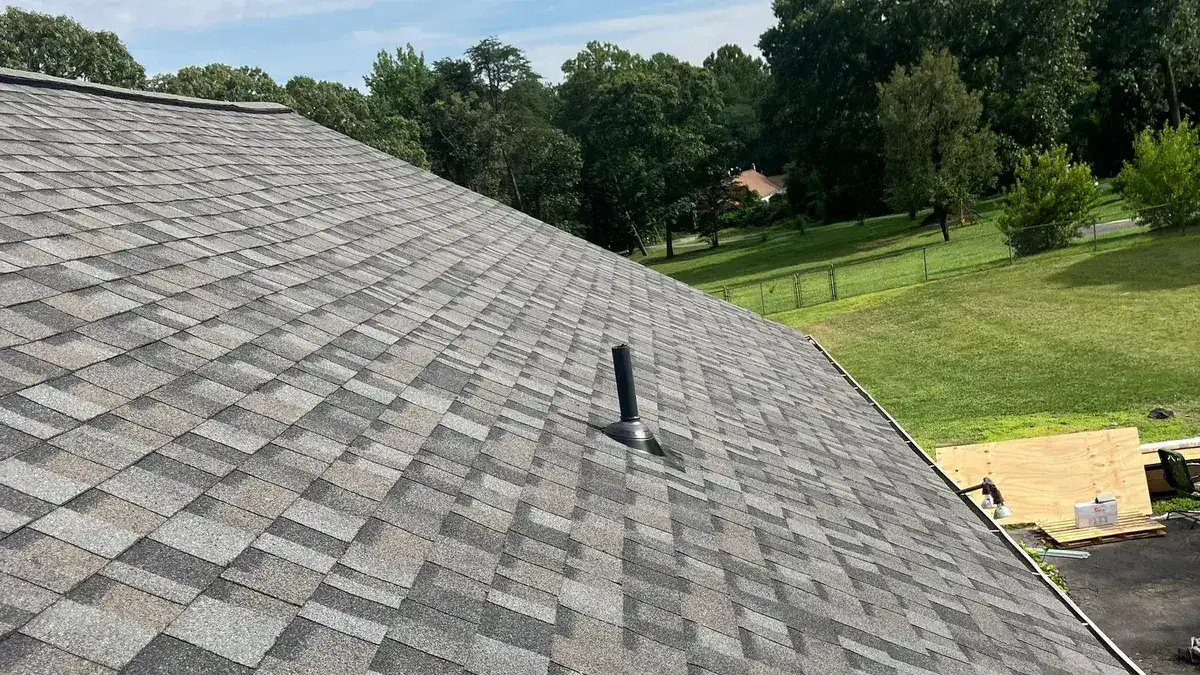
Stay Off the Roof
It is tempting to grab a ladder and go find the hole, and it is the wrong move. A wet roof in wind is genuinely dangerous, and most people cannot tell where a leak enters from where it shows up inside anyway, because water rarely drips straight down. It runs along the underside of the deck, follows a rafter, and comes through the ceiling several feet from where it actually got in.
Chasing it in a storm puts you at real risk for a guess that is usually wrong. The roof can wait until the weather clears and someone who does this for a living can get up there safely.
Track It From the Attic Instead
If you have safe attic access and a flashlight, that is the place to look. From inside you can often see where the water is actually coming in: a wet rafter, a dark trail on the sheathing, a drip near a nail or a pipe. Put a bucket under it up there if you can, and lay down a tarp or some plastic to protect the insulation and the ceiling below.
Take a couple of photos while you are at it. That view of the entry point is useful both for the repair and for an insurance claim later.
Emergency Tarping Buys You Time
When a roof cannot be repaired right away, because it is still storming or the damage is extensive, the stopgap is a proper tarp over the affected slope. A tarp that is actually secured and lapped over the ridge sheds water and keeps the inside dry until a real repair can happen, and it protects the deck and the framing from soaking through in the meantime.
This is what our emergency roof tarping is for. It is not a fix and we are clear about that, but it stops the damage from getting worse and takes the pressure off so the permanent repair can be done right rather than rushed in the rain. Once the weather clears, the next step is a roof repair in Columbia, MD, or a replacement if the inspection shows the roof is finished.

Document Everything for a Claim
Wind and hail damage is the kind of thing a homeowners policy is generally there for, and the claim goes better when you have a record from the start. Photograph the water inside, the stained ceiling, any soaked belongings, and whatever you could see from the attic, and note the date and the storm. Hold onto receipts for anything you buy to contain the damage, like tarps or a shop vacuum.
When we come out we document the roof side thoroughly so the damage is clearly tied to the storm, which is exactly the kind of evidence an adjuster is looking for. Our guide on roof insurance claims in Maryland walks through how that process usually runs.
Then Get a Real Look at the Roof
Once the weather clears, the roof needs a proper inspection, and not just at the spot that leaked. Storms tend to leave damage in more than one place, and the slope that let water in is often not the only one that took a hit.
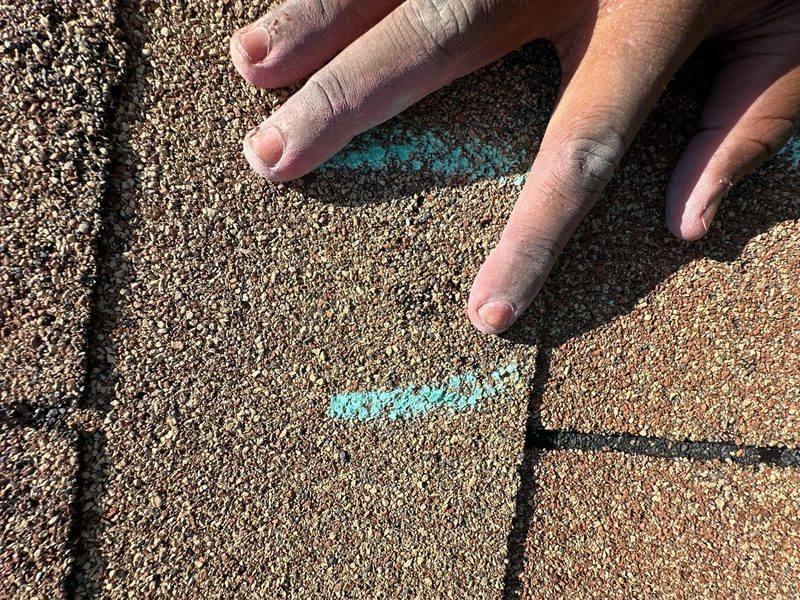
Lifted or creased shingles, bruised granules from hail, and bent flashing can all sit there looking fine from the yard while quietly setting up the next leak. Our post on how to tell if your roof has storm damage covers what that looks like, and a free inspection gets a trained set of eyes on the whole roof. If the roof turns out to be past saving, our roof replacement page covers how the whole job runs.
If the inspection turns up real storm damage, storm and hail damage restoration is the next step, and the scope of it comes from what the inspection actually found on the roof. The main thing on the night of the storm is to keep the inside dry and stay safe. The roof itself is fixable, and it is easier to fix well when nobody got hurt trying to do it in the dark.
Frequently Asked Questions
What should I do first when my roof starts leaking during a storm?
Protect the inside first. Move furniture and valuables out of the way, put a bucket under the drip, and if water is near a light or outlet, shut that circuit off at the panel if you can do it safely.
If a ceiling is bulging with trapped water, a small poke at the low point lets it drain into a bucket instead of collapsing. Deal with the roof itself once the weather clears.
Should I get on the roof myself to find the leak in a storm?
No. A wet roof in wind is dangerous, and water rarely enters where it drips inside, so you would likely be risking a fall for a wrong guess. If you have safe attic access, look for the entry point from inside instead, and leave the roof to a professional once the storm passes.
What is emergency roof tarping and do I need it?
Emergency tarping is a secured, lapped tarp placed over the damaged slope when the roof cannot be repaired right away. It sheds water and keeps the inside and the roof deck dry until a permanent repair can be made. It is a stopgap rather than a fix, but it stops the damage from spreading while you wait.
Will homeowners insurance cover storm roof damage?
Wind and hail damage is generally the kind of thing a homeowners policy covers, though the details depend on your specific policy. Claims go more smoothly when you document the damage from the start with photos and dates. We record the roof side thoroughly so the damage is clearly tied to the storm for the adjuster.
How do I find where the leak is coming from?
From the attic, not the roof. Water runs along the underside of the deck and follows rafters, so it usually enters several feet from where it shows up on the ceiling.
With safe attic access and a flashlight you can often spot the wet rafter or the drip near a nail or pipe. A full inspection after the storm confirms it and checks the rest of the roof.
Active leak or storm damage? Talk to us.
Free no-obligation inspections · Central Maryland · Mon-Sat 8:00 AM - 5:00 PM