
Blog
Signs It's Time to Replace Your Siding in Maryland
When siding is doing its job you never think about it, and when it starts to fail you often do not notice until the trouble has moved somewhere more expensive, like the sheathing or the framing behind it.
Most siding gives you plenty of warning first. Here are the signs that your siding is due for replacement, what they mean, and when a repair will still do.
What Your Siding Is Actually Doing
Siding is the water-shedding layer over your walls. Paired with the house wrap behind it, it keeps rain off the wood structure underneath and helps hold the inside temperature steady.
Once siding cracks, warps, or comes loose, water gets a way in behind it, and from there it can quietly rot sheathing and cause mold long before a stain ever shows up on an interior wall. That is why the early signs are worth catching.
Cracks, Warping, and Loose Panels
Look along the walls in good light. Vinyl can crack from a stray impact or go brittle with age and cold, and older siding can warp, ripple, or buckle when it has taken years of sun or was installed too tight. Panels that rattle, sag, or have popped loose at the seams are another tell, and they tend to show up after a windy stretch.
A cracked or open panel here and there is a repair. Cracking and warping spread across whole walls usually means the siding is near the end.
Rot, Soft Spots, and Paint That Will Not Stay
On homes with wood or fiber siding and trim, press gently on suspect boards. Wood that gives, crumbles, or shows soft dark spots has taken on moisture and is past painting over.
Paint that peels or blisters within a year or two of a fresh coat is another sign the material underneath is holding water and no longer bonding. Chalky residue that rubs off on your hand, or color that has faded unevenly across a wall, points to siding that has simply worn out.
The Signs That Show Up Indoors
Sometimes the first hint is inside. Drafts near exterior walls, rooms that are hard to keep warm or cool, and a heating and cooling bill that keeps creeping up can all trace back to siding and the insulation behind it losing their seal.
Damp spots, a musty smell, or mold on the inside of an exterior wall are more urgent, because they usually mean water has been getting behind the siding for a while. If the outside looks tired and the inside is showing these signs too, the two are often connected.
Storm and Hail Damage
Maryland weather is hard on siding. A strong wind can crack panels, lift them, or tear them off entirely, and hail can leave dents, chips, and holes that open the wall to water.
Damage like that is often covered by a homeowners policy, the same way roof storm damage is, so it is worth documenting with photos and a date before anything gets cleaned up. Our page on storm and hail damage restoration covers the roof side of that, and our guide to roof insurance claims in Maryland walks through how the claim process tends to go, which is much the same for siding.
Repair or Replace?
Not every problem means a full replacement. A few cracked or storm-damaged panels on an otherwise sound wall can usually be swapped out, and that is the right call when the rest of the siding has life left. The catch with older vinyl is matching it, since colors are discontinued and years of sun change the shade, so a patch can end up obvious.
Replacement makes more sense when the failure is widespread, when there is rot or moisture behind the siding, or when you are tired of patching the same walls. If you are weighing it, the honest answer usually comes from getting behind a panel or two and seeing what the wall is doing.
Why Vinyl Is the Common Choice Here
When siding does get replaced, vinyl is what most Maryland homeowners choose, and for good reasons. It stands up to our humidity, it never needs repainting, it comes in a wide range of colors and profiles, and insulated versions add a little to the wall's efficiency.
It is the siding we install most, and it pairs well with a home that is also due for roof work, since doing both at once means one setup and one crew. Our siding replacement page covers what we offer.
What a Replacement Involves
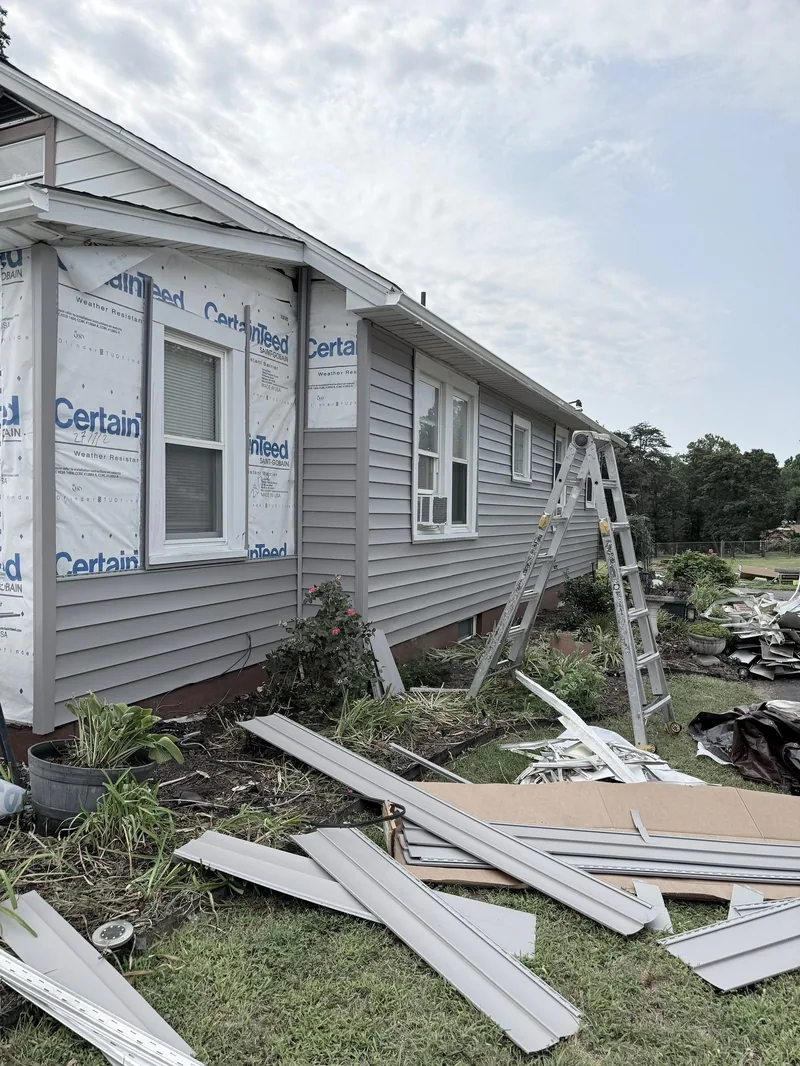
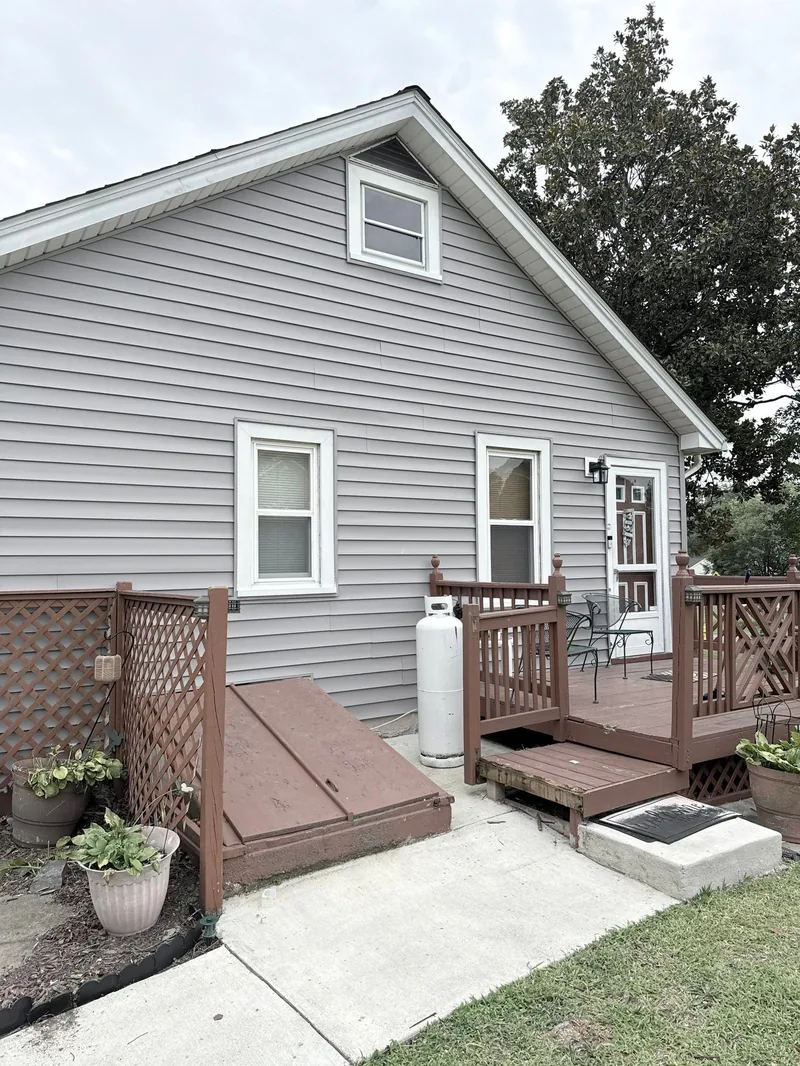
A siding replacement is more than wrapping new panels over the old. The old siding comes off, the crew checks the sheathing underneath and replaces any that has rotted, a fresh weather-resistant barrier goes on, and then the new siding and trim are installed to shed water the way they should.
Done right, it protects the house for decades and takes the maintenance off your plate. If your siding is showing the signs above, a free inspection of the exterior will tell you whether you are looking at a repair or a replacement, with no pressure either way.
Frequently Asked Questions
How do I know if my siding needs to be replaced?
Watch for cracking, warping, or buckling across whole walls, panels that are loose or rattling after wind, soft or rotted spots on wood siding and trim, paint that peels within a year or two, and chalky or badly faded color. Signs inside the house, like drafts, rising energy bills, or damp and mold on exterior walls, often point to failing siding too. A few isolated cracks are a repair; widespread failure means replacement.
Can I just replace a few damaged siding panels?
Often yes, if the rest of the siding is sound. The catch with older vinyl is matching it, because colors get discontinued and years of sun change the shade, so a patch can stand out. Replacement makes more sense when the damage is widespread, when there is rot or moisture behind the siding, or when you are repairing the same walls again and again.
Does homeowners insurance cover storm damage to siding?
Wind and hail damage to siding is often covered, much like roof storm damage, though it depends on your policy. Document it with photos and a date before anything is cleaned up or replaced, and keep receipts for any temporary repairs. A thorough inspection ties the damage to the storm for the adjuster.
What kind of siding is best for a Maryland home?
Vinyl is the most common choice here because it handles our humidity, never needs repainting, comes in many colors and profiles, and insulated versions add a little efficiency. It is the siding we install most. The right profile and grade depend on the house, which is something we can walk through during an inspection.
Should I replace my roof and siding at the same time?
If both are due, doing them together can make sense. It means one setup, one crew, and one round of scheduling, and it gives the house a consistent, finished look. During an inspection we can tell you whether both are near the end of their life or whether one can wait.
Siding looking tired or storm-worn? Let us take a look.
Free no-obligation inspections · Central Maryland · Mon-Sat 8:00 AM - 5:00 PM