
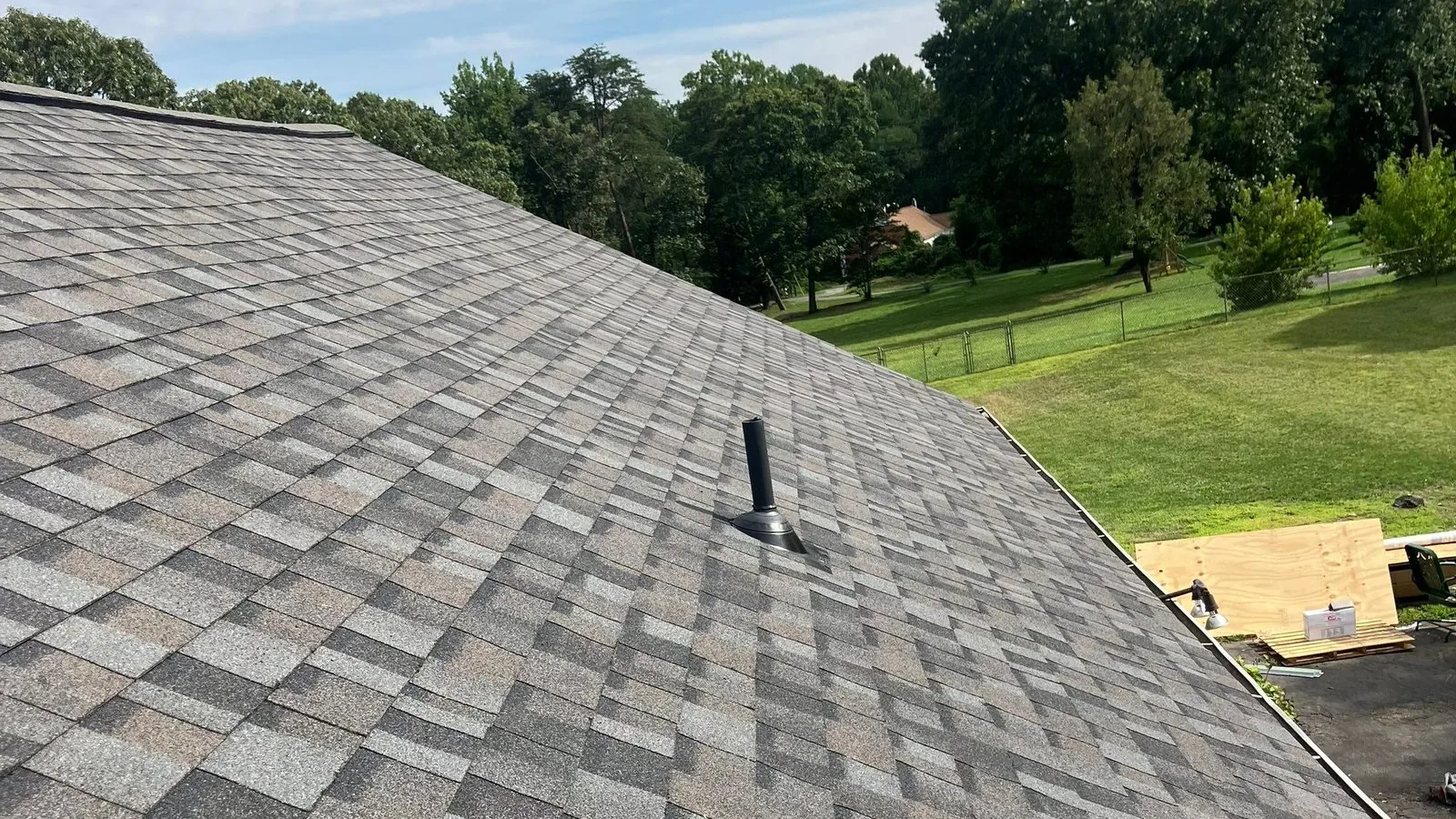
Vinyl siding is built to be left alone. You put it on and stop thinking about it, which is exactly why the question of how long it lasts tends to come up only when a wall starts looking tired or a storm tears a panel loose. The honest answer is a range, and where your home lands in that range has a lot to do with the Maryland weather it stands out in. Here is what to expect from vinyl siding, what wears it down, and how to read the signs that yours is near the end.
The Short Answer
A vinyl siding job on a Maryland home commonly lasts somewhere in the range of twenty to forty years. Better grades, thicker panels, and insulated vinyl sit at the upper end, and a clean installation on a well-built wall helps a lot. Cheaper panels, a rushed install, or a wall that traps moisture will pull the number down. So when someone asks how long their siding has left, the real answer usually starts with a look at what is on the house and how it was put up.
What Actually Wears Vinyl Down
Vinyl does not rust or rot, so it fails in different ways than wood. Sun is the big one. Years of ultraviolet light slowly fade the color and make the panels more brittle, and a south or west wall that bakes all afternoon ages faster than a shaded north wall on the same house. Cold matters too, because vinyl gets more brittle in winter and a stray impact from a ladder, a mower, or a piece of storm debris can crack a panel that would have shrugged it off in July. Over many seasons the constant expanding in heat and shrinking in cold can loosen panels or work them out of their locks, especially if they were nailed too tight to begin with. And anything that lets water sit behind the siding, a bad flashing detail or a failed piece of house wrap, shortens the life of the wall even when the vinyl itself still looks fine.
How Maryland's Climate Changes the Number
Central Maryland gives siding a full workout. Summers are humid and hot, winters swing back and forth across freezing, and storms roll through in between. That freeze and thaw cycle is hard on any exterior material, and the humidity means moisture is always looking for a way in behind the wall. The higher, colder parts of the service area, like Carroll and Frederick counties, see more snow and sharper cold than the homes down in Columbia or Glen Burnie, and that extra winter stress can show up a little sooner. None of this makes vinyl a bad choice here. It is still the siding we install most, precisely because it handles humidity well and never needs repainting. It just means Maryland siding tends to land in the middle of that twenty to forty year range rather than the top of it.
The Signs Your Siding Is Near the End
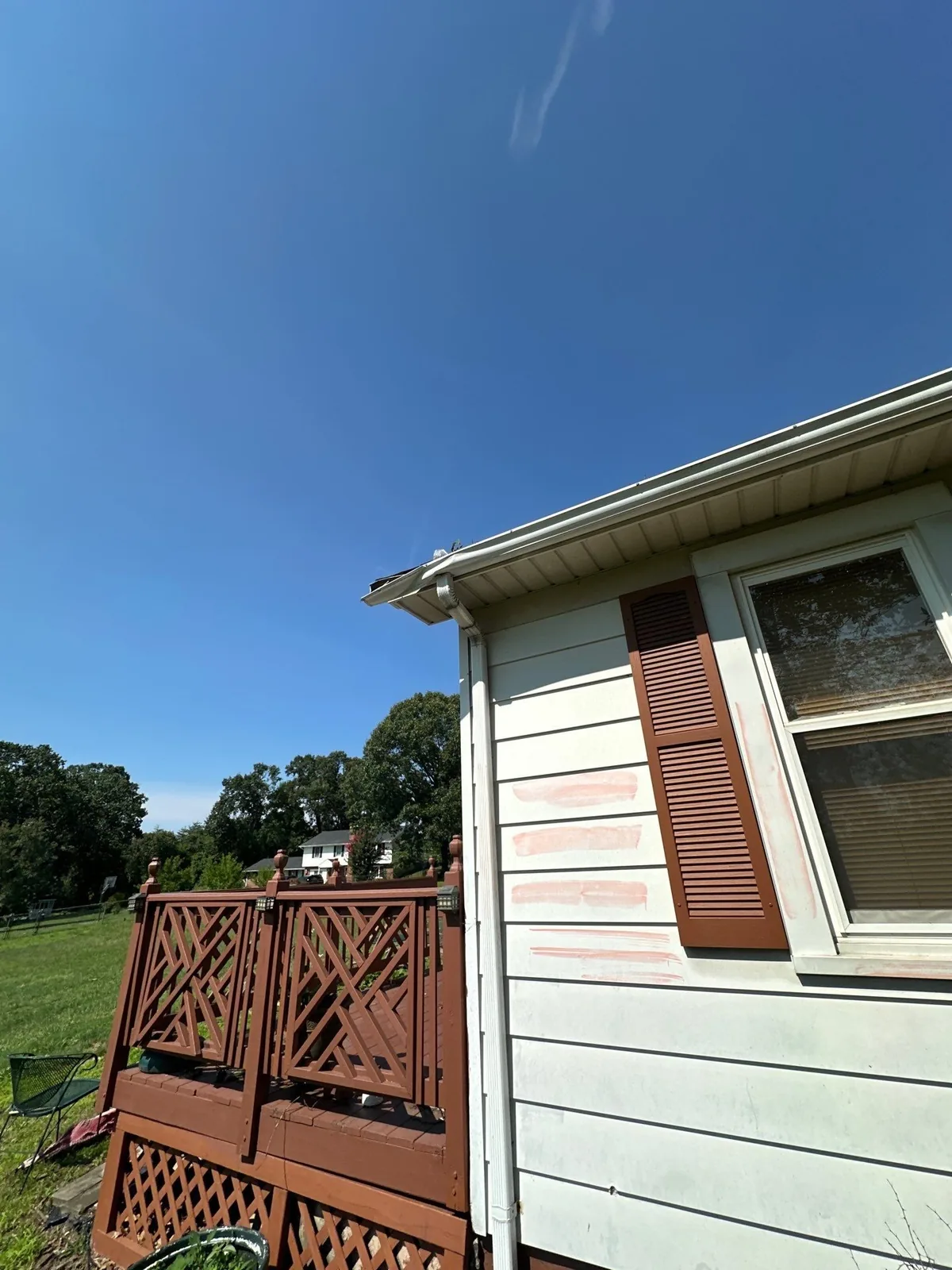
Vinyl usually tells you before it quits. Color that has faded unevenly across a wall, or a chalky film that rubs off on your hand, means the surface has worn out. Panels that have gone brittle and crack easily, that warp or ripple in the heat, or that rattle and pop loose after a windy stretch are all the material aging out. The more serious signs are the ones tied to water: soft or damp spots, a musty smell inside near an exterior wall, or paint failing on nearby trim can mean moisture has been getting behind the siding for a while. A few of these in one spot may be a repair. When they show up across whole walls at once, the siding is asking to be replaced. Our post on the signs it is time to replace your siding walks through each of these in more detail.
Getting the Most Life Out of It
You can hold the upper end of that range with very little effort. Rinse the walls once a year or so to keep dirt and mildew from building up, and use a gentle wash rather than a heavy pressure washer, which can drive water behind the panels and strip the finish. Keep shrubs and sprinklers from constantly wetting the same stretch of wall. Deal with any water problem, a dripping gutter or a bad flashing, before it works behind the siding. If the color has faded but the panels are otherwise sound, painting is sometimes an option, which we cover in our post on whether vinyl siding can be painted. And after any hail or high wind, take a look, because catching a cracked panel early keeps a small problem from becoming a wet wall.
Repair, Paint, or Replace
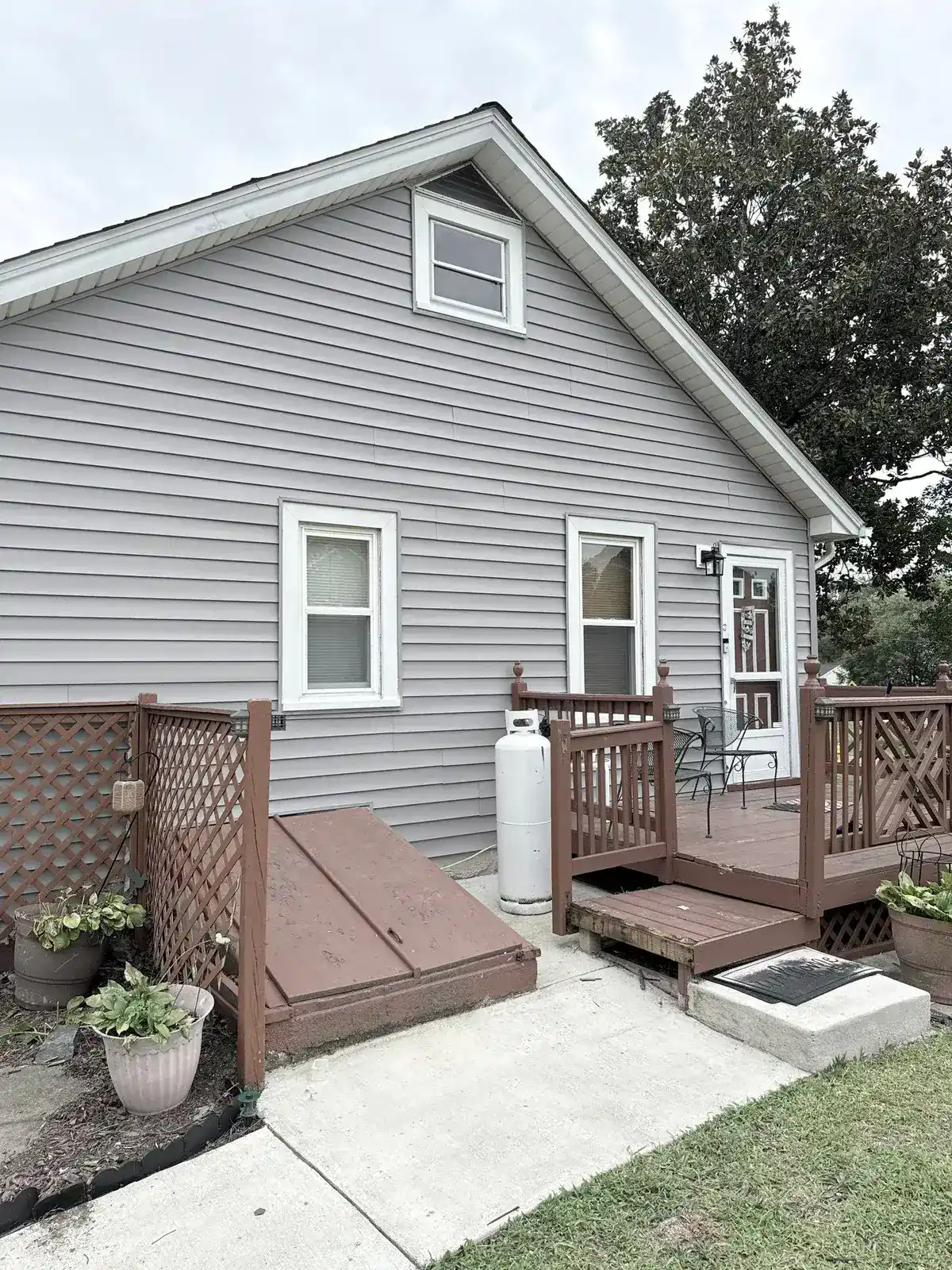
Not every worn wall needs a full replacement. Isolated damage on siding that still has years left is usually a repair, though matching older vinyl can be tricky because colors get discontinued and sun changes the shade over time, so a patch can stand out. Painting can buy time on siding that is faded but sound. Replacement makes sense when the fading and brittleness are widespread, when there is moisture or rot behind the panels, or when you are simply tired of patching the same walls. If storm or hail damage is involved, it may be covered by your homeowners policy, the same way roof damage is, so it is worth documenting before anything is cleaned up; our page on storm and hail damage restoration covers that side of it. When it is time, our siding replacement page explains what we install, and a free inspection of the exterior will tell you honestly where your siding stands, repair or replace, with no pressure either way.
Frequently Asked Questions
How long does vinyl siding last?
On a Maryland home, vinyl siding commonly lasts about twenty to forty years. Better grades, thicker or insulated panels, and a clean installation on a sound wall reach the upper end, while cheaper panels, a rushed install, or a wall that traps moisture come in lower. The exact number for a given house depends on what is on it and how it was put up.
What makes vinyl siding wear out faster?
Sun is the main factor, since years of ultraviolet light fade the color and make panels brittle, and south or west walls age faster than shaded ones. Cold makes vinyl more prone to cracking on impact, repeated freeze and thaw can loosen panels, and any water that gets trapped behind the siding shortens the life of the wall. Maryland's humid summers and freeze-thaw winters put all of these in play.
Can painting extend the life of vinyl siding?
Sometimes. If the panels are sound but the color has faded, painting with a coating made for vinyl can refresh the look and buy some time. It does not fix brittle, cracked, or warped panels, or a wall with moisture behind it. When the siding is worn out rather than just faded, replacement is the better spend.
How do I know my vinyl siding needs replacing?
Watch for color that has faded unevenly or a chalky film that rubs off, panels that crack easily, warp, or rattle loose after wind, and any sign of moisture such as soft spots, a musty smell inside, or paint failing on nearby trim. A few isolated issues may be a repair, but when these show up across whole walls at once, it is usually time to replace.
Does new siding help with energy bills?
It can. Old siding with gaps, along with the aging insulation and house wrap behind it, lets air move through the wall and makes rooms harder to keep comfortable. New siding, especially an insulated vinyl over a fresh weather-resistant barrier, tightens the wall back up. How much you save depends on the house, which is something we can look at during an inspection.