
Blog
Can Vinyl Siding Be Painted?
The short answer is yes: vinyl takes paint, and on sound panels a careful repaint buys years before a wall needs replacing. What the prep involves, the paint that actually holds, the one color rule that keeps vinyl from warping, and the point where new siding is the better spend. Written from what our crews find on Central Maryland walls.
Keep reading: what actually happens during a roof inspection, and flat and low-slope roofs in Maryland.
Painting vinyl siding, and when it is worth it
Yes, and the catch is condition
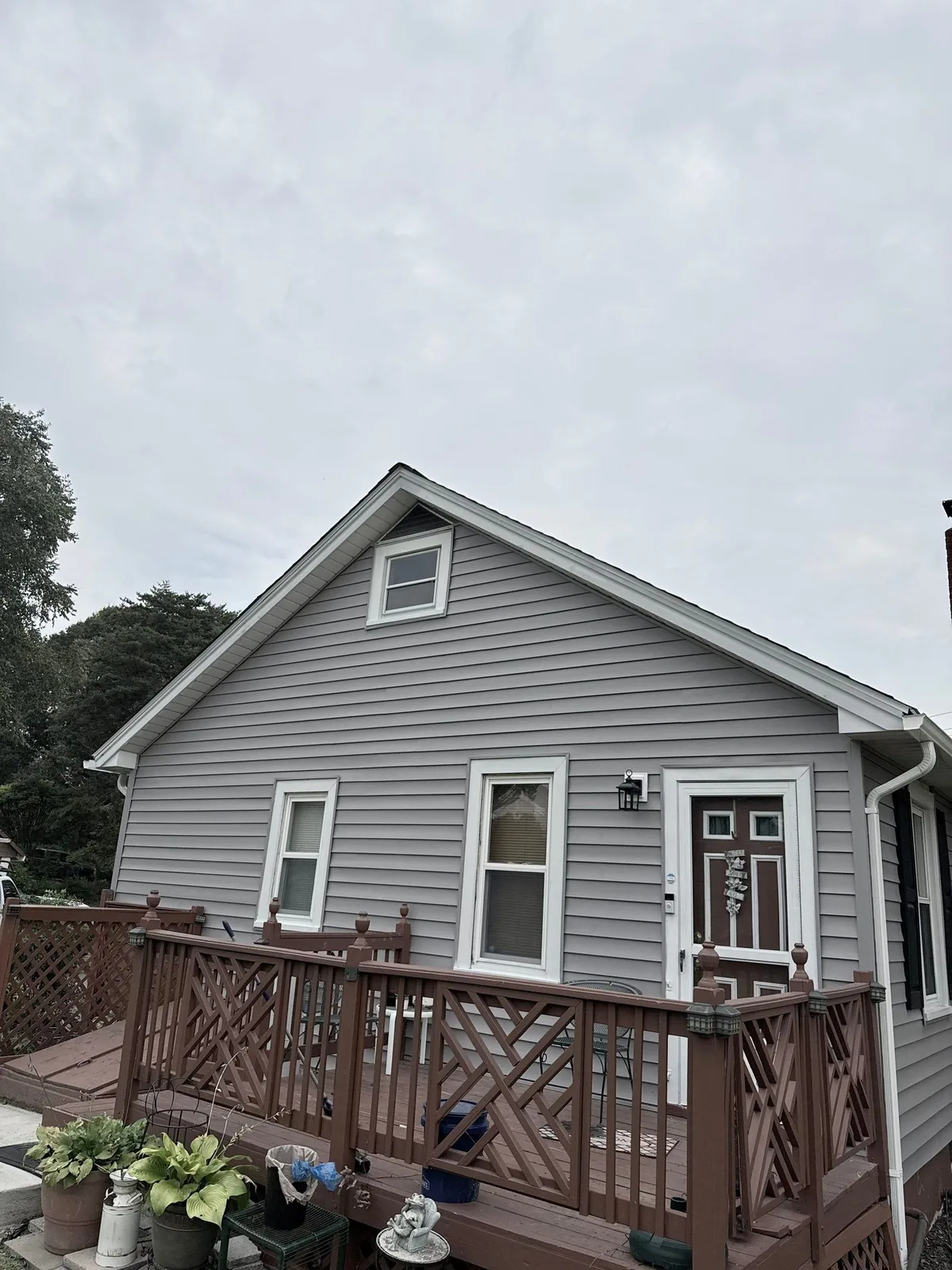
Vinyl holds paint, and a careful repaint is a real option when the panels are still sound and only the color has gone. It is the cheaper move on a wall that has faded unevenly, or when you want a different look without pulling siding off the house.
The catch is that paint solves a color problem and nothing else. If the vinyl is cracked, brittle or letting water past it, a coat of paint sits on top of a wall that still needs work, and the money is better put toward replacement.
Two things decide whether a repaint lasts: how the surface is prepared, and whether the paint and the color are right for vinyl. Miss either and the finish peels or the panels warp.
Prep is most of the job
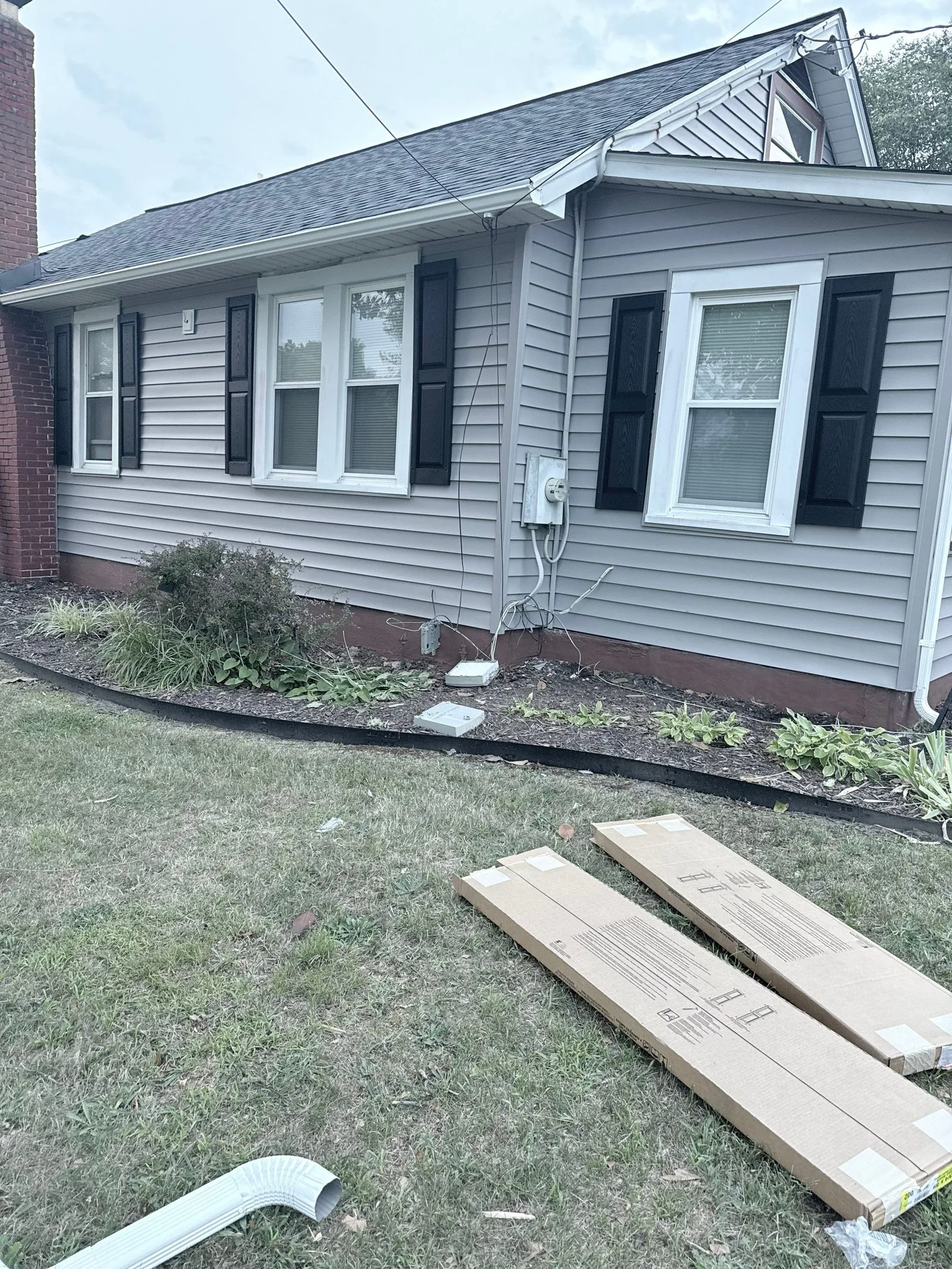
Vinyl carries a fine chalky film as it ages, and paint will not grip through it. The wall gets washed down first, mildew and chalk scrubbed off, then rinsed clean and left to dry all the way.
Any spot that has gone glossy gets a light scuff so the new coat has something to hold. Loose caulk at the trim comes out and goes back fresh.
Most vinyl in good shape does not need a primer. A bonding primer made for slick surfaces is worth using on anything faded to the point of chalking, or on a panel that has been patched.
The paint that sticks, and the color rule that matters
Use a 100% acrylic exterior paint, ideally one a manufacturer lists as vinyl safe. Acrylic flexes as the panel expands and contracts through a Maryland year, where a rigid oil finish cracks. Two thin coats hold up better than one heavy one.
The rule that trips people up is color. Vinyl was molded in a shade that reflects a set amount of heat, and a darker color absorbs more sun than the panel was built for. Paint vinyl much darker than its original tone and the wall can warp, buckle or pull at the nail line on the wall that gets the afternoon sun.
Paint makers sell vinyl safe colors chosen to reflect at least as much heat as the factory finish, and staying inside that range keeps a repaint from overheating the siding. Going lighter is always safe.
One thing to check before you open a can
Painting vinyl usually ends the manufacturer's warranty on the original siding, and a color darker than the maker approves can void it outright. On siding still under warranty, that is part of the math.
None of this makes painting the wrong choice, but check the warranty before you pick a color.
Paint or replace: what the wall is telling you
| What you see | Paint | Replace |
|---|---|---|
| Color faded, panels still sound | Good candidate | Not yet |
| Dated or uneven color you have outgrown | Good candidate | Optional |
| Panels brittle, cracking at the nail hem | No | Yes |
| Hail dents or star cracks on one elevation | No | Yes |
| Panels warped, rippled or hanging loose | No | Yes |
| Moisture or soft spots behind the wall | No | Yes |
General guidance, not a verdict on your wall. Condition decides, which is what a free on-site look is for.
When a new wall beats a coat of paint
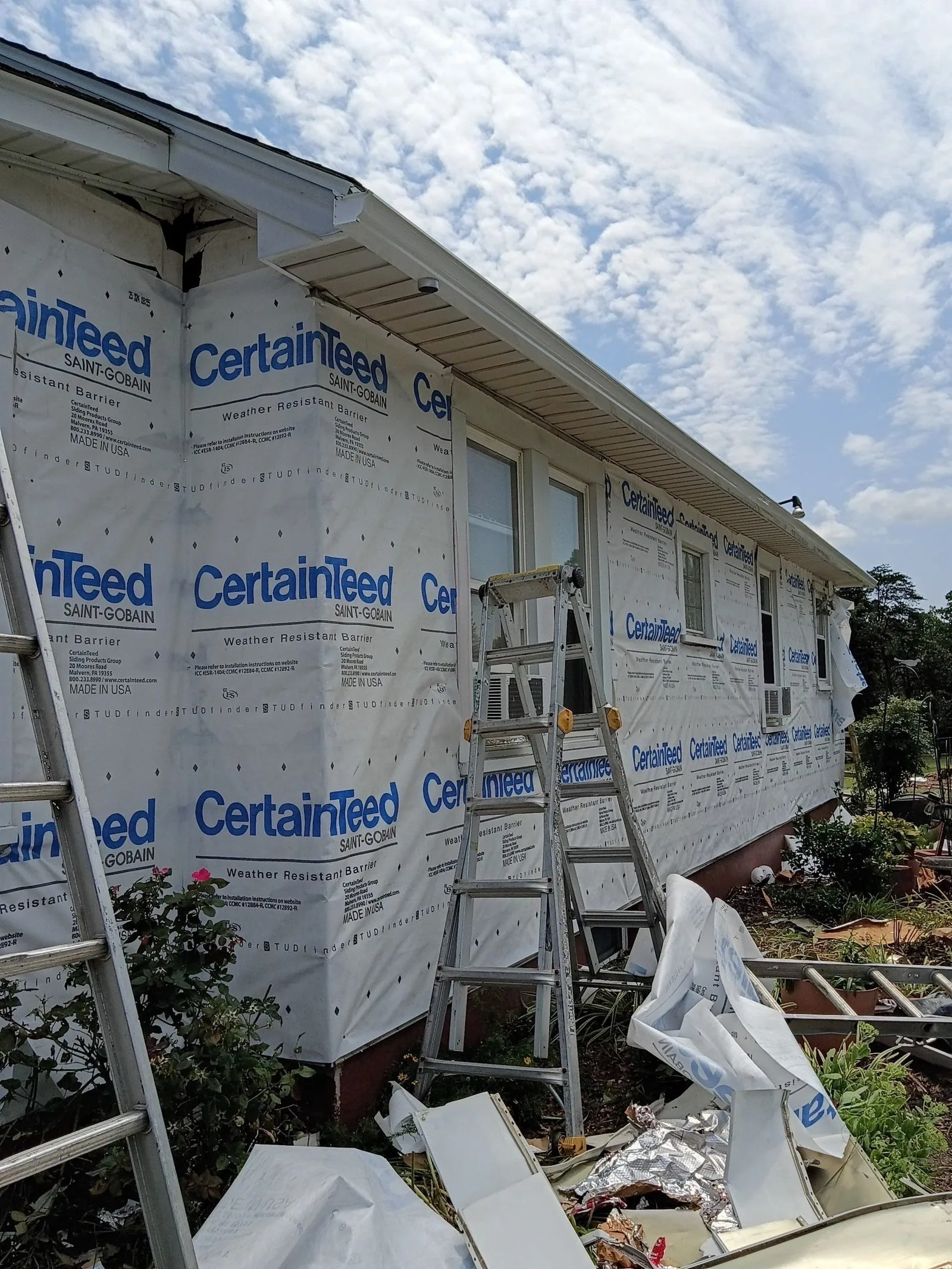
Paint will not help a wall that is failing. Panels that crack at the nail hem instead of flexing, hail dents across one elevation, boards that ripple or hang loose, or any sign of moisture getting behind the siding, all of that means replacement.
At that stage the old material has to come off so the sheathing underneath can be checked and the wall rebuilt from the weather barrier out. If that is where your siding is, the siding replacement page walks through how that job runs, and the same free inspection tells you which situation you are in before any money moves.
Frequently asked questions
Can you paint vinyl siding?
Yes. Vinyl takes paint well when the panels are sound and the surface is prepared right. Painting fixes color, not condition, so it is the right move on faded but solid siding and the wrong one on cracked or warped panels.
What kind of paint works on vinyl siding?
A 100% acrylic exterior paint, ideally one the maker lists as vinyl safe. Acrylic flexes with the panel through hot and cold, and two thin coats last longer than one heavy one. Most sound vinyl needs no primer, but a bonding primer helps on chalky or patched areas.
Can you paint vinyl siding a darker color?
Carefully, and not much darker. A dark color absorbs more heat than the panel was molded for and can warp or buckle the vinyl on a sun-facing wall. Paint makers sell vinyl safe colors that reflect at least as much heat as the factory finish, and staying at or lighter than that range is the safe rule.
How long does paint last on vinyl siding?
A well prepped, properly painted wall holds for years, though not as long as the molded-in factory color. Prep and paint choice decide most of it. A wall that was not cleaned first, or was painted too dark, can start peeling or warping much sooner.
Does painting vinyl siding void the warranty?
It can. Painting can end the manufacturer's warranty on the original siding, and a color darker than the maker allows can void it. If the siding is still under warranty, read the maker's terms before you paint.
Is it better to paint or replace vinyl siding?
It depends on the panels, not the paint. Sound vinyl with a tired color is a painting job.
Vinyl that is cracked, warped, storm split or letting water behind it is past paint, and replacement is the honest fix. A free on-site look tells you which one you have.
Want a straight answer on your siding?
Free no-obligation inspections · Central Maryland · Mon-Sat 8:00 AM - 5:00 PM